

The short answer: bring most houseplants inside when the overnight forecast holds at 50°F (10°C) or below. Tender tropicals such as calathea and weeping fig should come in at 55°F (13°C). This guide assumes USDA zones 3–8, where potted plants summer outdoors and winter by a window.
Key Takeaways
- Watch the nighttime low, not the first frost date. By the time a frost warning appears, the plants that needed to come in have often already spent several nights below their limit.
- Move pots in stages over 7–10 days, then keep them apart from your indoor collection for 3–4 weeks.
- Indoor light is a fraction of outdoor shade, so expect some leaf drop, cut the water, and stop feeding until spring.
The first frost is not the deadline. By the time a frost warning appears, the plants that needed to come in have often already spent several nights below their limit, and cold injury shows up days later as blackened leaves, dropped buds, and soft stems. The overnight low is the number to watch, and it is usually well below the daytime high you feel on the same afternoon.
The 50°F Night Rule, and Why Frost Is Too Late
Iowa State University Extension sets the trigger at nights that dip consistently to about 50°F (10°C). Many indoor plants show damage in the mid-to-lower 40s, and nearly all die below freezing. University of Minnesota Extension puts the injury threshold at 45–50°F (7–10°C), depending on species. University of Illinois Extension starts earlier still, at 55°F (13°C), and applies that number to houseplants generally rather than to a short list of tender species.
The three numbers agree on the shape of the problem: these plants are tropical, fall nights cool faster than the calendar suggests, and the damage is done before frost arrives. Use the warmest number that fits what you grow.
| Plant group | Move in when the overnight low reaches | Examples |
|---|---|---|
| Tender tropical foliage | 55°F (13°C) | calathea, weeping fig, monstera, philodendron, pothos |
| Most houseplants | 50°F (10°C) | spider plant, peace lily, snake plant, Norfolk Island pine |
| Cold-tolerant pots | 45°F (7°C) | rosemary, bay laurel, geraniums, jade and other succulents |
Toxic-plant check: most of that table is on the ASPCA’s toxic list. Weeping fig, monstera, philodendron, pothos, peace lily, snake plant, bay laurel, geraniums, and jade are all toxic to cats and dogs. Calathea, spider plant, Norfolk Island pine, and rosemary are listed as non-toxic. Other succulents vary by species, so check each one, and look up anything else you add before it lands on a low shelf.
When in doubt, take the warmer number. A plant moved in a week early loses a little late-season growth. A plant left out through one 44°F night can lose every leaf it has, and a ficus that drops its canopy in November takes months to look like itself again.
Your Zone Sets the Date, Not the Decision
Frost dates tell you when to start watching the forecast, not when to act. The ranges below are 50% first-frost dates from the NOAA 1991–2020 climate normals, grouped by USDA zone. The last column is a working buffer set ahead of the frost date, not an interval anyone measured in the field; check it against your own ten-day forecast before you trust it.
| USDA zone | Typical first fall frost | Start watching nights |
|---|---|---|
| 3 | September 8–15 | Late August |
| 4 | September 21–October 7 | Early September |
| 5 | October 13–21 | Mid-September |
| 6 | October 17–31 | Late September |
| 7 | October 29–November 15 | Early October |
| 8 | November 7–28 | Late October |
Microclimate moves these dates a week or two either way. A sheltered city yard runs later than an open field in the same zone, and a pot on a windy deck runs earlier. Your own ten-day forecast beats the table every time.
Outside zones 3–8 the rule still works, but the season changes shape. In zones 9–11 many tropicals can stay out all year, yet one radiational frost still blackens a patio full of them, so keep the 50°F trigger for cold snaps. In zones 1–2 the outdoor season is short enough that some pots go out in June and come back in August.
01 of 06 Dry the Pot Before the Move
Let the top 2 in (5 cm) of mix dry before the pot comes in. A drier pot weighs less to carry, and roots sitting in wet mix at 50°F (10°C) are far more likely to rot than roots that were allowed to dry. Push a finger in before you water: if the mix is still damp two knuckles down, skip that watering. If a pot is already soggy, tilt it on bricks outdoors for a couple of days so the excess drains before you bring it inside.
02 of 06 Inspect Leaves, Stems, and Soil
Turn each pot and look at the places pests hide: leaf undersides, the joints where leaves meet stems, the newest soft growth, the inside rim, and the soil surface. Scale sits as small brown bumps along a midrib. Mealybugs look like bits of cotton in a leaf axil. Spider mites leave fine webbing and a stippled, dusty look. Ants and earwigs live in the mix itself, which is why Iowa State recommends flushing pots with water to drive them out, and repotting any plant where ants have nested.
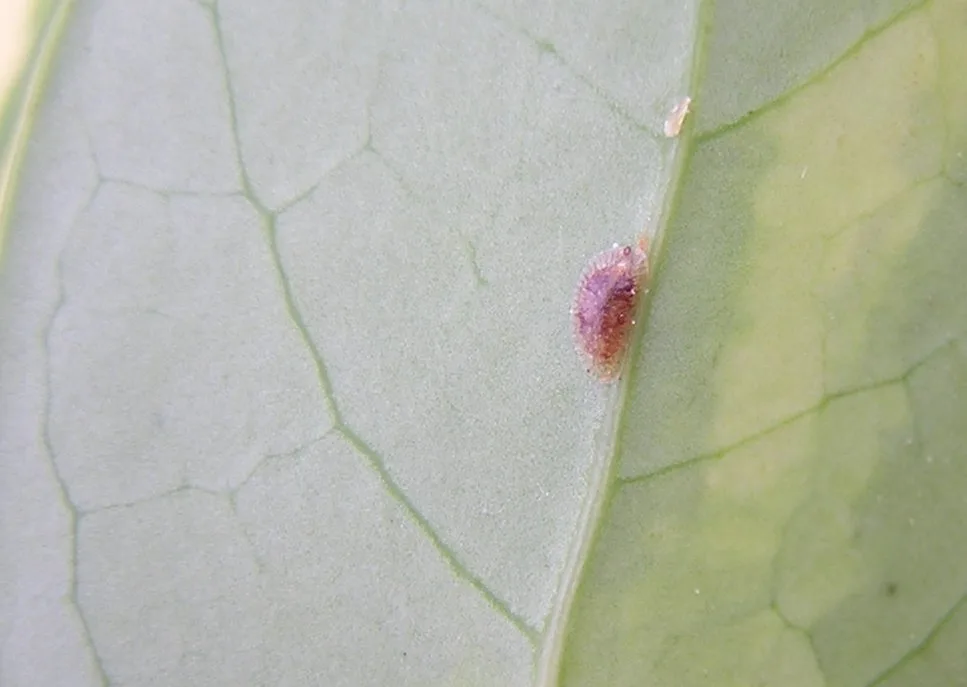
A single scale insect is easy to miss and hard to get rid of once it is indoors with a hundred other pots. Check now, while the plant is still outside and a hose is within reach.
An insecticidal soap for the pest check: it is the low-risk first step indoors, and it works only on contact, so it has to hit the insect.

- Captain Jack's Insecticidal Super Soap controls species of adelgid, ant, aphid, borer, caterpillar, spider mite, cricket, chinch...
- Designed for outdoor residential use in home gardens, lawns, ornamentals, and greenhouses; use on artichoke, cabbage, onions...
- Product kills through direct contact and ingestion; spray insects, such as aphids, directly or allow leaf feeding insects, such as...

The active ingredient is potassium salts of fatty acids. The ready-to-use bottle needs no mixing, so apply it at the label rate and follow the label’s repeat interval rather than spraying more often. Keep the plant out of direct sun until the spray dries. Follow the label’s reentry interval, and let the foliage dry before anyone handles the plant. Do not spray a plant in bloom or while pollinators are flying, since the spray kills bees and other beneficials on contact; outdoors, treat in the evening when the bees are done for the day. Keep children and pets away from wet leaves. Soft-bodied insects such as aphids, whitefly, and young mealybugs respond; scale and mite eggs usually need a second approach.
03 of 06 Wash the Plant and the Pot
Do the washing outdoors, where the runoff does not matter. Minnesota Extension suggests soaking smaller plants in a bucket of water with a little mild dish soap, or spraying larger ones down to remove dust and soft-bodied insects. Wash the top and undersides of the leaves, let the soapy water run through the mix, then rinse. Wipe the outside of the pot as well, since grit and egg cases cling to terracotta. Do the washing a few days before the move rather than the morning of, and let the pot drain outdoors until the mix has dried back to the surface. A washed plant that goes straight indoors carries wet soil into a cool, dim room.
04 of 06 Stage the Light Shift Over 7–10 Days
Outdoor shade is brighter than almost any indoor window, so a plant that goes straight from the deck to the living room can scorch or shed. Illinois Extension suggests moving it to a shaded spot in the yard for about a week, then bringing it indoors for a day or two at a time and lengthening the stay. The whole shift takes 7–10 days. If you cannot stage it, move the plant to the sunniest window you have and accept some leaf drop as the price of the shortcut.
05 of 06 Quarantine for 3–4 Weeks
Keep the arrivals in a separate room from your established plants for three to four weeks, which is the window both Iowa State and Illinois Extension give for pests to show themselves. Inspect at every watering, especially the undersides and the soil line. A plant that looks clean on day one can hatch a whitefly population by week three, and by then it is sharing a windowsill with everything you own.
06 of 06 Reset Water, Fertilizer, and Humidity
Watering changes the moment the plant is inside. Check the top 2 in (5 cm) with a finger before you water, and water until it runs from the drainage holes, then empty the saucer. In low winter light a 6-inch pot may go a week or more between drinks; in a bright south window it may need water twice as often. Fertilizer stops in fall and stays off until spring, because the plant is not making new growth to use it.
Humidity is the other half of the reset. Illinois Extension notes that indoor humidity in winter can fall to 10–20%, well below what a tropical plant expects. Group pots so they share a microclimate, set them on a gravel tray with water below the stones, or run a humidifier nearby. Misting raises humidity for minutes, not hours, so it is not a fix on its own.
Where to Put Them Indoors
Most tropical houseplants want bright, indirect light rather than direct sun; Illinois Extension and Iowa State both point to the brightest window a room can offer. A south or west window is the brightest option in most homes, an east window is second, and a north window is a last resort for the toughest species. Succulents, citrus, and potted herbs are the exception — they want direct sun, so give them the south or west sill and let the light fall on them unfiltered. Diffuse the direct summer sun through a sheer curtain for the foliage plants, but do not shade a winter window, when every hour of light counts.
Space the pots about 6 in (15 cm) apart so the leaves do not touch, which slows pest spread and keeps air moving. Keep foliage 6–12 in (15–30 cm) back from cold glass on freezing nights, and set a repotted plant so the top of the root ball sits 1 in (2.5 cm) below the rim, leaving room to water. Potting mix for most houseplants runs pH 5.5–6.5, per Penn State Extension. Aim for 65–75°F (18–24°C) by day and about 10°F (5.5°C) cooler at night, away from heat vents and drafty doors.
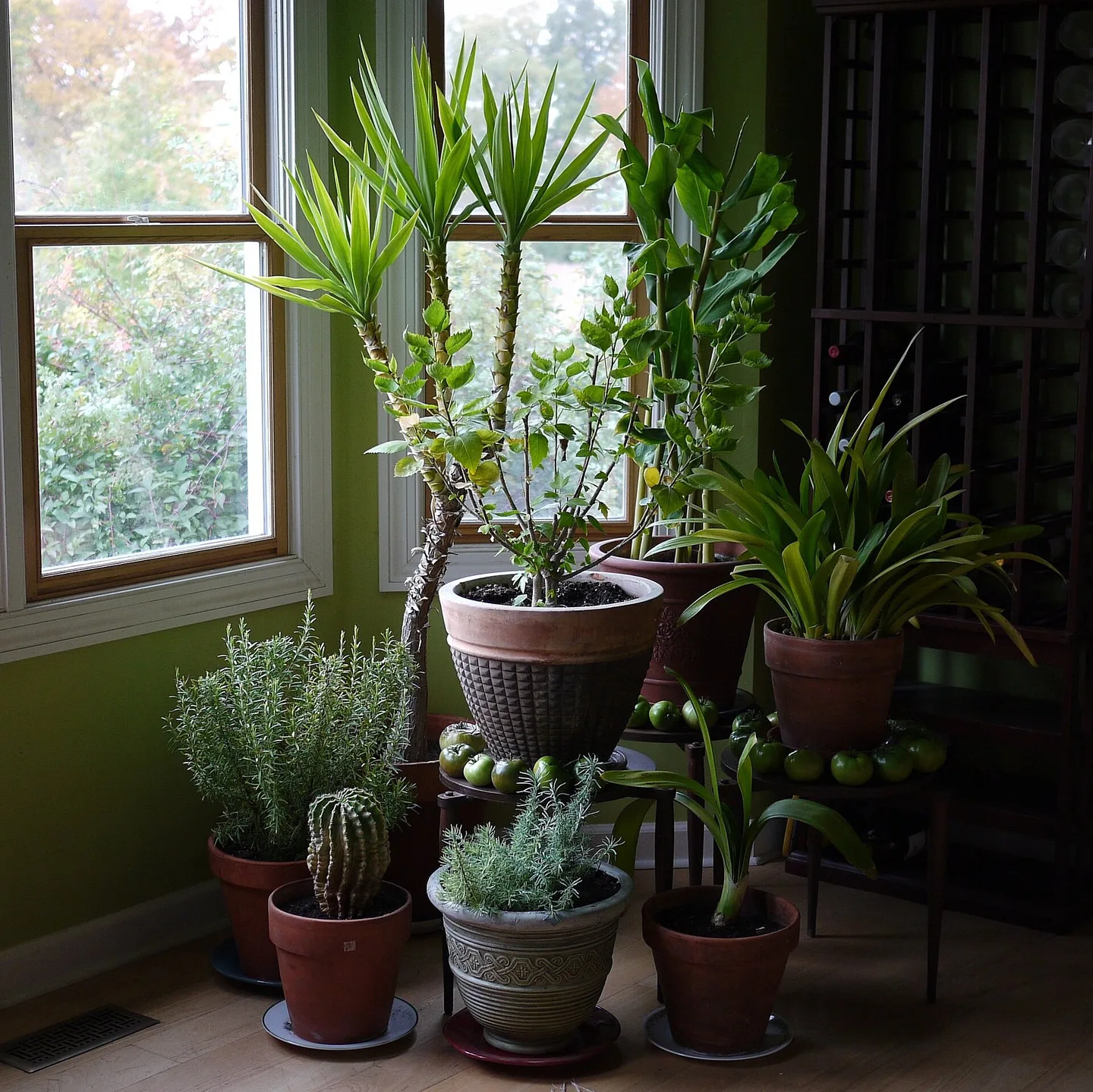
If new leaves come in small and pale, or stems stretch toward the glass, the spot is too dim. Move the plant closer to the window before you add a lamp. Our guide to indoor plants that transform a room covers which species tolerate the dim corners. A spider plant is the usual first pick for a north room, and spider plant care covers its light and water. A vertical garden can hold the overflow near a bright wall.
A full-spectrum bulb for dim rooms: one bulb in a desk lamp covers a shelf of small pots through the darkest weeks.

- FULL SPECTRUM & NATURAL LIGHT: A19 full spectrum grow light appears 4000K white to eyes but has a red/blue light spectrum. Same as...
- HIGH BRIGHTNESS & ENERGY SAVING: A19 LED plant grow light bulbs deliver 180-degree 1000LM bright light output. Use High Lumen LED...
- HIGHER EFFICIENCY: LED grow bulb with high light transmission improves plant absorption more effectively. Balanced lighting of...
Hang or clip the lamp so the bulb sits 6–12 in (15–30 cm) above the foliage, and raise it as the plants grow. Leaves that stay flat and green are getting enough; leaves that cup upward or bleach are too close.
What Goes Wrong in the First Month
- Yellow leaves and a bare canopy. The light drop, not disease. Tropical hibiscus and weeping fig are the classic droppers, and Iowa State notes that new foliage replaces the loss.
- Soft black stems and sour soil. Overwatering in cool, dim conditions. Let the mix dry to 2 in (5 cm) and check that the saucer is empty.
- Sticky leaves and brown bumps. Scale excretes honeydew; mealybugs leave white cotton; spider mites leave webbing. Isolate first, then treat.
- Brown crisp patches facing the glass. Cold damage where leaves touched a pane on a freezing night. Move the pot back a hand’s width.
- Bleached leaves in spring. The same shock in reverse. When pots go back outside, shade them for a week first.
Two plants need a specific word. A Norfolk Island pine that loses its top cannot be pruned back into shape, so keep it out of drafts — our Norfolk Island pine care guide covers the details. A rosemary that spends winter in a warm, dark room usually dies of root rot rather than cold; the fix is a cool, bright spot and a pot that drains, as in this guide to keeping rosemary thick and fragrant.
Questions People Ask
Do I have to wait for the first frost?
No, and waiting is the mistake. Frost normally arrives after you have already had a run of nights in the 40s, and by then a tender tropical has taken damage that shows up days later. Move on the nighttime low, not the frost date.
Can I leave a plant out for one cold night if it warms up again?
It is a bad trade. One night in the mid-40s can blacken leaves and abort buds, and the plant does not recover that growth until spring. Bring it in and keep it in.
My ficus dropped half its leaves. Is it dead?
Probably not. Weeping fig drops leaves in response to lower light and cooler air. Scratch a stem: green underneath means live tissue. Keep watering lightly and wait for new growth at the tips.
Should I repot before bringing plants inside?
Only if the plant is rootbound or ants have moved into the mix. Repotting in fall adds stress at the worst moment; spring is the better time. If you do repot, go up one pot size at most — see choosing the right container size.
What about holiday plants bought in November and December?
Treat them as new arrivals: keep them apart from your other plants for three to four weeks and check the soil before watering. The kalanchoe and cyclamen guides cover the two most common gift plants, and amaryllis and paperwhites are the bulbs that want a cool, bright window. A Christmas cactus wants the coolest spot of the group, because short days and cool nights set its buds.
Are houseplants safe around cats and dogs?
Not all of them. Sago palm, peace lily, pothos, and philodendron are on the ASPCA’s toxic list, and sago palm is severely toxic to dogs. Check every species you bring in against the ASPCA database before it lands on a low shelf.
For the plants that stay out — tender perennials, herbs, and anything in a container garden — the timing runs the other way in spring. Wait until nights stay above 50°F (10°C) before they go back out, and harden them off for a week in shade first.
Sources
- Iowa State University Extension and Outreach, “How and when do I bring my houseplants back indoors before winter?” (Aaron Steil, updated October 2026).
- University of Illinois Extension, “Tips for moving houseplants indoors and overwinter care,” Good Growing (Ken Johnson, 2022).
- University of Minnesota Extension, “When to bring houseplants inside for the winter” (Robin Trott, reviewed 2026).
- Penn State Extension, “Potting Media and Plant Propagation” (potting mix pH 5.5–6.5).
- NOAA National Centers for Environmental Information, U.S. Climate Normals 1991–2020 (50% first-frost dates).
- ASPCA, Toxic and Non-Toxic Plants database.
By Ashley