

A healthy rosemary plant is one of the nicest things to have near the kitchen door: brush past it and the whole porch smells like Sunday dinner. But rosemary has a reputation for turning woody, sparse, or crispy, especially once cold weather sends it indoors.
The short answer: rosemary stays thick and fragrant with full sun, fast-draining soil, careful watering (deep drinks, then let it get nearly dry), light and regular trimming of the soft green tips, and only a little fertilizer. In cold climates, keep it in a pot and move it to a bright, cool room before frost.
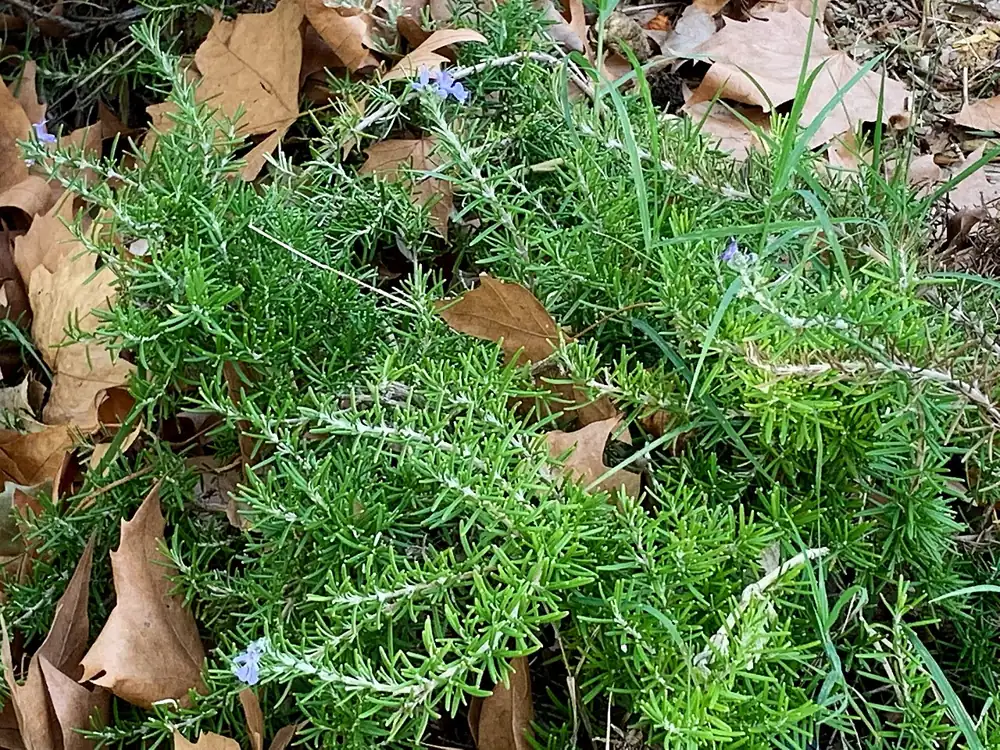
Rosemary (now classified as Salvia rosmarinus, formerly Rosmarinus officinalis) is an evergreen shrub from the hills of the Mediterranean. Once you think of it as a sun-loving, dry-hillside plant, most of its care makes sense.
1. Give It as Much Sun as You Can
Rosemary grows best in full sun, meaning more than six hours of direct sunlight a day, according to University of Illinois Extension. Shade is one of the quickest routes to a thin, leggy plant with weak fragrance.
- Outdoors: pick the sunniest spot you have. A sheltered spot along a south- or west-facing wall also gives a little extra warmth.
- Indoors: a south-facing window is the best bet. If your winters are cloudy, a grow light can fill the gap.
2. Water Deeply, Then Let It Get Nearly Dry
University of Wisconsin’s horticulture team names overwatering as the biggest cause of rosemary decline and death. At the same time, rosemary should not be left bone-dry for long. The rhythm that works:
- Check the soil before watering. Wait until it is nearly dry, especially for potted plants.
- Water at the soil, not over the leaves, until it drains out the bottom of the pot.
- Empty the saucer so the roots are not sitting in water.
- Water less often in cool weather. A plant in a cool room drinks far less than one in summer sun.
Watch for this: curling leaves are often a sign of moisture stress, so check the soil before you add more water.
3. Use Fast-Draining Soil and a Pot With Drainage
Wet, poorly drained soil is rosemary’s biggest threat in winter, warns Nebraska Extension. In the garden, choose light, well-drained soil; the Nebraska team notes rosemary prefers it on the slightly acidic side. In containers, use a quality potting mix in a pot with drainage holes. If you are repotting, our guide to choosing the right container size for your plants can help you pick the next pot.
Good to know: Wisconsin Extension notes that a slightly pot-bound rosemary tends to flower more, so there is no need to rush into a much bigger pot.
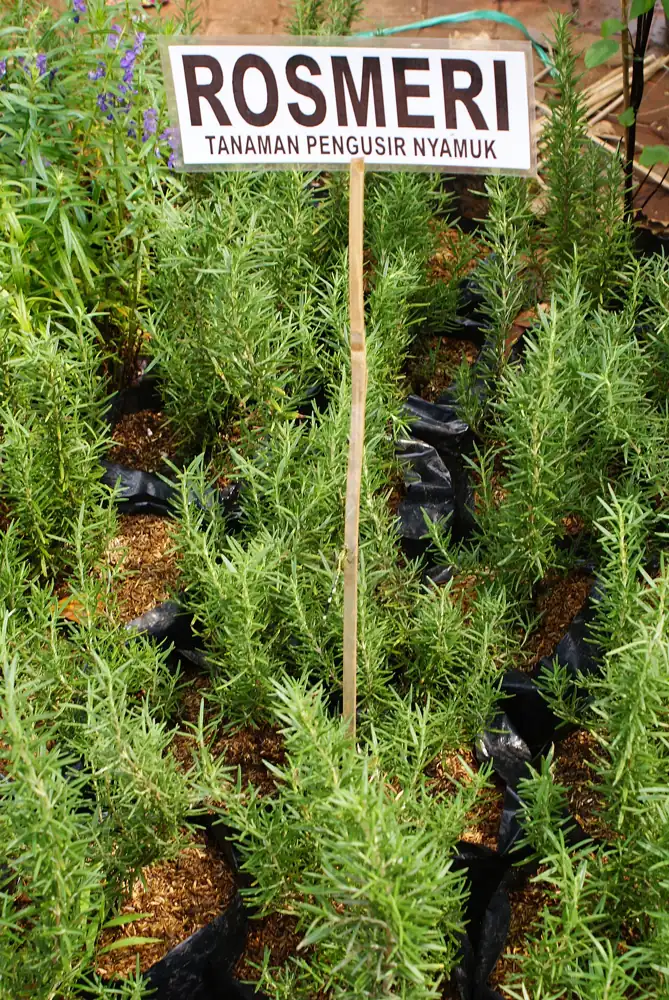
4. Trim Little and Often (and Stay Out of the Old Wood)
Regular snipping is what keeps rosemary bushy. The key rule from extension experts: cut into the soft, green, flexible stems, not the hard woody base, because rosemary does not regrow well from old wood.
- Everyday harvesting: take small amounts as needed. Wisconsin Extension suggests not removing more than 20% of the growth at one time.
- Shaping: pinch the tips of young plants to encourage branching. For a larger outdoor plant, an Ask Extension expert suggests trimming it back by about one-third once it is outdoors in the growing season, working from the outside in.
- Before winter: go easy on trimming around the time you bring a potted plant indoors, so it heads into winter with plenty of leaves.
- Always: remove dead, damaged, or diseased stems back to healthy growth.
5. Feed It Lightly
This is the tip that surprises people. Wisconsin Extension advises fertilizing rosemary lightly, because excess fertilizer reduces flowering and fragrance. A light feeding during the growing season is plenty; more is not better here.
Bringing Rosemary Indoors for Winter
Rosemary is generally only winter hardy in mild climates. Sources range from USDA Zone 7 (Nebraska Extension) to Zone 8 (Wisconsin Extension), with a few tougher cultivars such as ‘Arp’ and ‘Madeline Hill’ rated to about Zone 7a, possibly Zone 6 with protection. These hardiness ratings describe established plants in the ground, not exposed containers. In colder climates, the safer approach is a container moved to a bright, cool indoor location before frost. Here is how to give it the best chance:
- Start with a container plant if you can. Toronto Master Gardeners note that moving rosemary from a garden bed into a pot is rarely successful. If yours is in the ground, Wisconsin Extension suggests digging and repotting it 2 to 3 weeks before the expected first fall frost.
- Ease the move. A few days in a shaded spot, like a porch, before it comes inside helps it adjust, according to UNH Extension guidance shared through Ask Extension.
- Check for pests first. Look under leaves and along stems before the plant joins your houseplants.
- Choose bright and cool. A sunny south window in a cool room is ideal. Recommendations include about 45 to 55°F (Ask Extension/UNH) or 50 to 60°F (Illinois Extension). Warm rooms with too little light can make overwintering harder.
- Water carefully. In a cool room, wait until the mix is quite dry, then water thoroughly and let it drain.
- Keep the air moving. Good air circulation helps prevent powdery mildew.
Outdoors in a borderline climate? Nebraska Extension suggests planting near the south or west side of the house, mulching the roots heavily in fall, and shielding branches from drying winter wind. Well-drained soil matters even more in winter.
Powdery Mildew and Common Pests
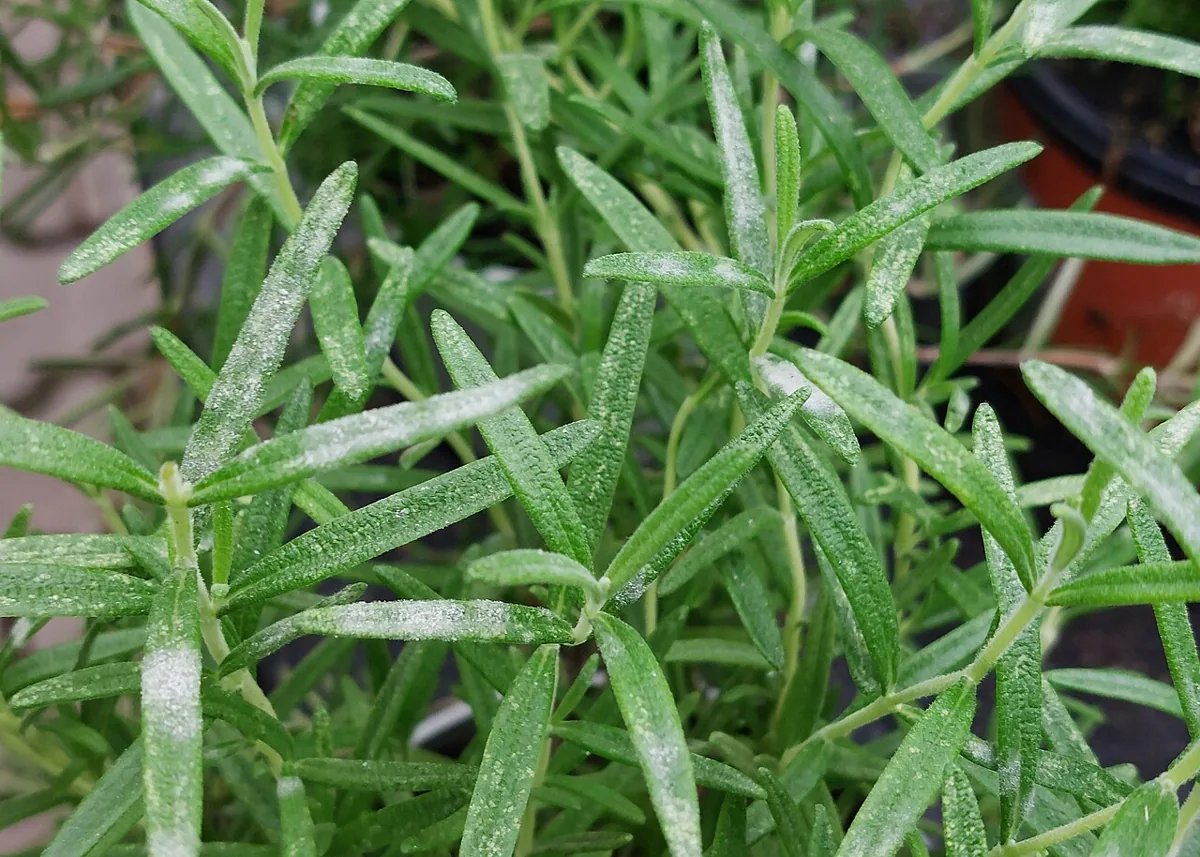
Indoor rosemary frequently picks up powdery mildew, a dusty white coating on the leaves. Toronto Master Gardeners recommend good air circulation, watering the soil rather than the leaves, and removing infected leaves or shoots to slow its spread.
Rosemary has few serious pests, though Wisconsin Extension lists aphids, spider mites, mealybugs, and scale as possibilities. For spider mites indoors, an Ask Extension expert suggests spraying the foliage with a strong stream of water every day or so to knock them off. If you choose a pesticide or fungicide, pick one labeled for herbs and follow the label exactly.
How to Start New Rosemary From Cuttings
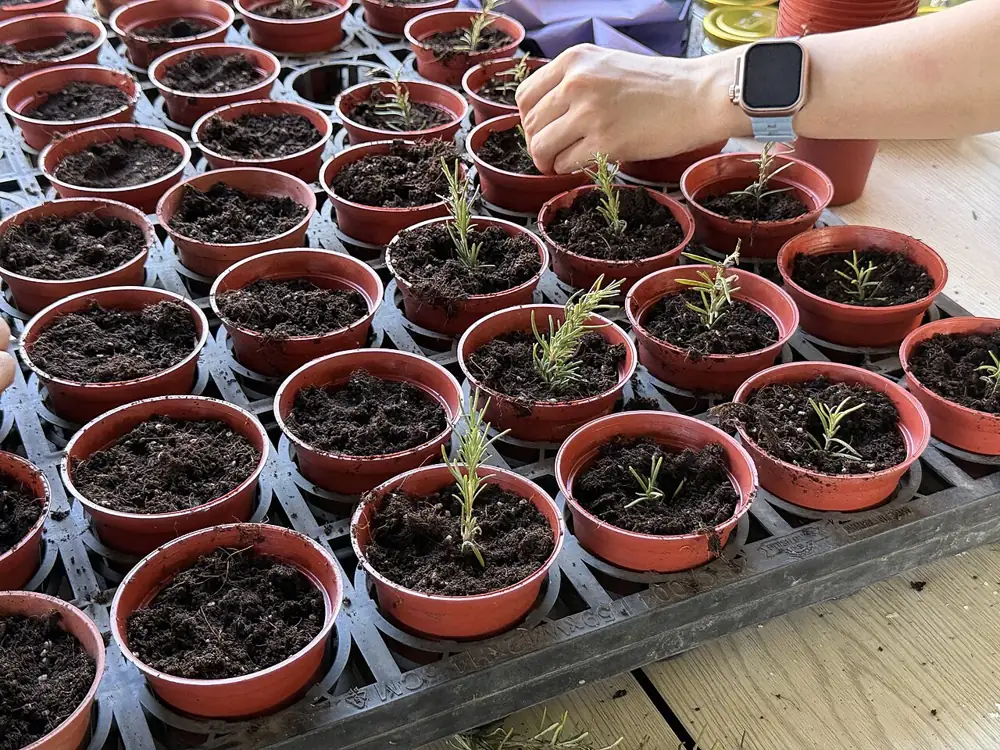
Cuttings are the best way to multiply a favorite plant. Seed is slow, irregular, and may not match the parent plant, according to Wisconsin Extension. Their method:
- In late spring to early summer, take 4- to 6-inch tip cuttings from shoots without flowers.
- Remove the lower leaves.
- Optionally dip the cut ends in rooting hormone to speed rooting.
- Set them in a rooting medium such as perlite until roots form.
- Move rooted cuttings into their own pots, or into a sunny garden spot.
Rosemary FAQ
Why is my indoor rosemary dying in winter?
Usually it is a mix of too little light, a room that is too warm, and watering that swings between too wet and too dry. Illinois Extension explains that homes can be too warm and dry for overwintering rosemary, and recommends cool conditions with very bright light. Move it to the coolest, brightest spot you have and water only when it needs it.
Is rosemary safe for cats and dogs?
The ASPCA lists rosemary as non-toxic to dogs, cats, and horses.
Can rosemary grow in water?
For a long-lived plant, rosemary needs well-drained soil and plenty of sun, and Wisconsin Extension recommends rooting cuttings in a medium such as perlite. If you enjoy growing herbs on the windowsill, browse our list of herbs you can grow with just water for more ideas.
How do I harvest rosemary without hurting the plant?
Snip soft green tips as you need them, keep each harvest small (Wisconsin Extension suggests no more than about 20% of the plant at once), and avoid cutting into the woody stems.
Give rosemary sun, sharp drainage, a light hand with water and fertilizer, and regular little haircuts, and it will reward you with fragrant sprigs for your roasts, potatoes, and holiday breads all year.
Care information in this guide comes from University of Wisconsin–Madison Extension, University of Illinois Extension, Nebraska Extension, Ask Extension, Toronto Master Gardeners, and the ASPCA.