

Norfolk Island pine is a tropical evergreen sold in winter as a living, potted indoor Christmas tree. It is not a true pine, and it is not a hardy fir or spruce that most gardeners can plant outdoors after the holidays.
The short answer: give it a bright east, west, or south window, and turn the pot each week so it does not lean toward the light. Water thoroughly when the top of the soil feels dry, then empty the saucer. Keep it away from heat vents and cold drafts, and raise the humidity in winter. Lower branches that turn brown usually do not grow back, so steady moisture and humidity matter more than later pruning. The care below comes from university extension services and botanical institutions, not from testing in our own windowsills.
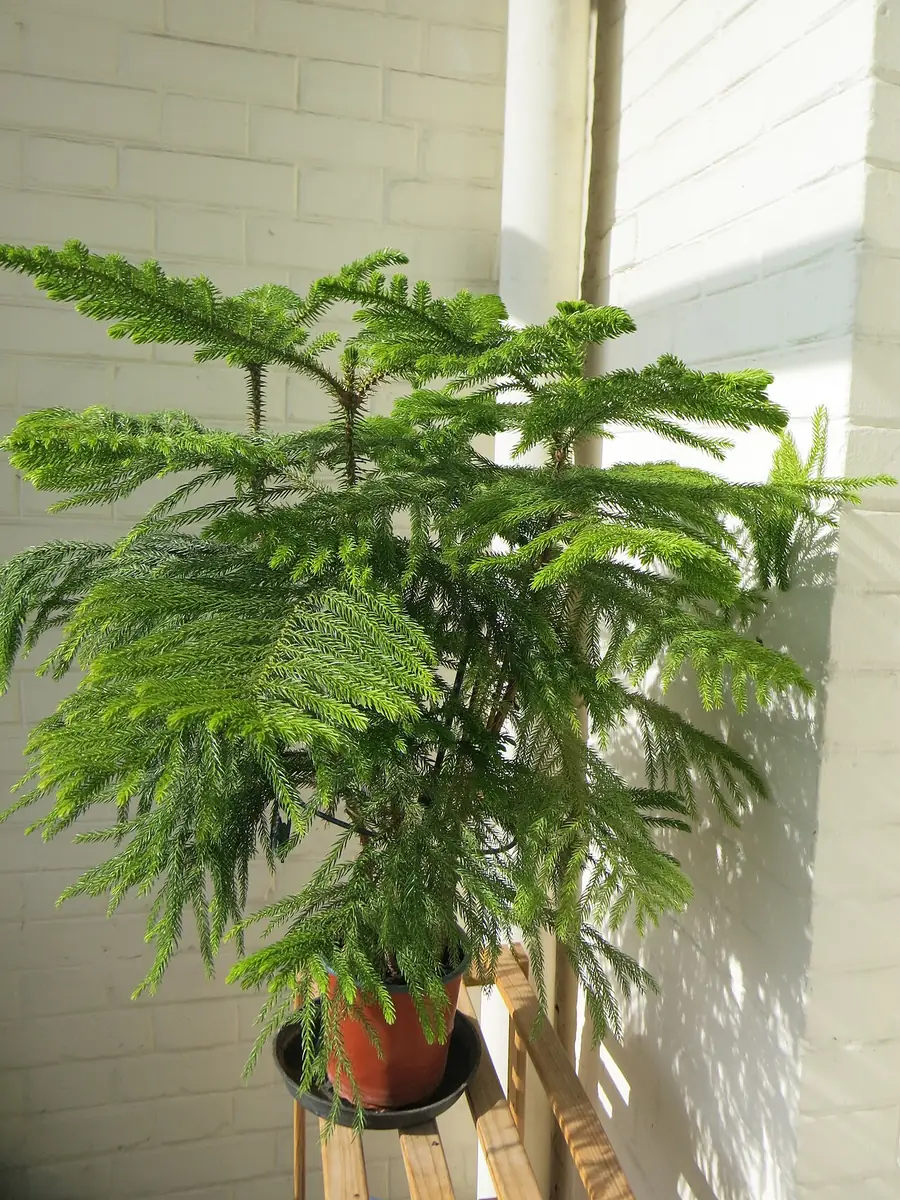
Norfolk Island Pine Care at a Glance
- Light
- A bright east, west, or south window. Rotate the pot weekly.
- Water
- When the top of the soil feels dry; drain and empty the saucer.
- Humidity
- About 50 percent. Use a humidifier or pebble tray in winter.
- Temperature
- A cool to average room, often cited from the mid-50s to low 70s °F.
- Feeding
- Dilute fertilizer in spring through fall; most sources go easy in winter.
- Pot
- Drainage holes. Pot up only when root-bound, one size at a time.
Those lines are a shorthand. The sections below note where sources differ and link to the original pages.
What Is a Norfolk Island Pine?
The plant garden centers label as Norfolk Island pine is Araucaria heterophylla. Colorado State University Extension describes it as a tropical evergreen native to Norfolk Island, off the coast of Australia, where it can grow up to 200 feet tall. It is often sold as a living alternative to a typical Christmas tree, from a tabletop pot to a floor plant.
It is not a true pine. The Royal Horticultural Society lists “house pine” as another common name and treats Araucaria excelsa as a misapplied synonym. The New York Botanical Garden places it in the same family as the monkey puzzle tree (Araucaria araucana), a different species. It is also not a cut Christmas tree, and it is not a hardy living fir or spruce meant to be planted outdoors after the holidays. For a cut tree, see our guide to keeping a real Christmas tree fresh.
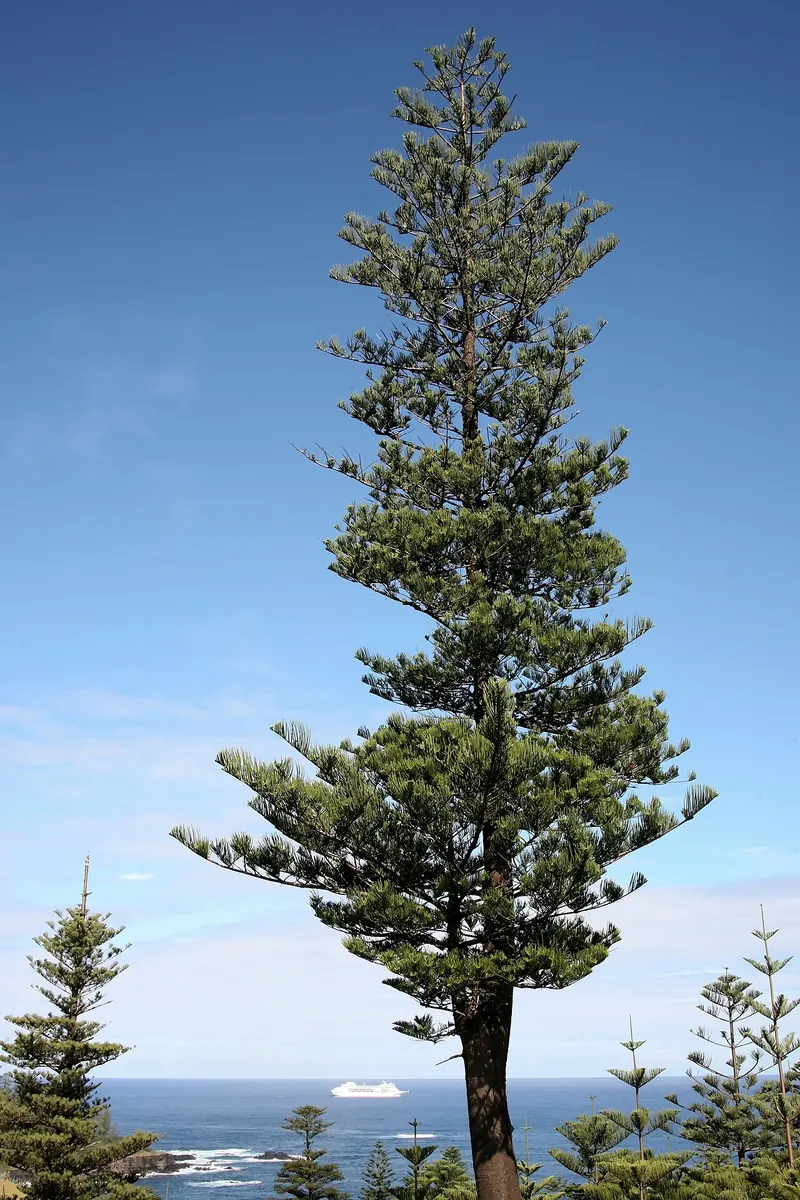
Outdoor hardiness is not one blended number. Missouri Botanical Garden and NYBG center on USDA Zones 10–11; Missouri adds that Zone 9 may work in a warm microclimate, UF/IFAS lists 10A through 11, and NC State lists 9a through 11b. In colder climates, keep it in a pot. Indoor size varies too: CSU says a houseplant can reach 20 feet in ideal conditions but more often stays six feet or less; NC State gives 9 feet; Missouri Botanical Garden says St. Louis plants are typically kept at 3 to 6 feet and can live a long time when conditions are right. NYBG estimates about 6 inches of indoor growth a year.
Light for Norfolk Island Pine Care Indoors
Iowa State University Extension recommends a brightly lit east, west, or south window, and rotating the plant weekly so it does not grow lopsided. Purdue suggests a quarter turn each week. CSU asks for at least two hours of bright, indirect sunlight daily. On direct sun, the sources are not identical: Purdue and University of Missouri Extension say the plant looks its best with some direct light, while NYBG allows a couple of hours only if it is not harsh midday sun, which can burn needles. NC State and Missouri Botanical Garden add that full sun usually makes more compact growth, but light afternoon shade may prevent yellowish bleach. If the window runs hot at midday, pull the pot back. In weak light, Missouri Extension says the top may stall while the sides keep growing, and NC State notes that very low light may be tolerated for two to three years before leaves drop and lower branches are lost.
Watering and Drainage
Water when the surface, or about the top inch of soil, feels dry. Then water thoroughly and let the excess run out. CSU, Purdue, and Iowa State all use that pattern. Purdue and NYBG add that you should empty the runoff dish after about 15 minutes. CSU and Missouri Extension warn that standing water can lead to root rot. Letting the pot go too dry is just as hard on the lower branches, which may droop, turn brown, and fall off, and NYBG says those lost branches will not grow back. In winter, CSU and NC State expect a little less water; NYBG says to keep the soil damp, not soggy, and to let it dry between waterings without letting the roots go bone dry. Missouri Extension says a newly purchased plant may drop a few needles as it adjusts to indoor light. Ongoing browning of whole branches is a care problem, not routine shedding.
Humidity, Temperature, and Winter Indoor Care
Winter heating is the usual stress point for Norfolk Island pine care in winter. CSU and Purdue both prefer about 50 percent relative humidity; NYBG asks for humidity above 50 percent. Purdue notes that an average house can fall to around 15 percent in the heating season. Iowa State, CSU, and NYBG suggest a humidifier or a pebble tray that does not let the pot sit in water. Keep the tree away from furnace vents, radiators, air conditioners, and drafty doors, which CSU and NYBG list as a cause of browned needles. NYBG also flags spider mites in warm, dry rooms: check browned areas for fine webbing, rinse the foliage with water if mites are present, and raise the humidity.
Temperature is a range, not one official figure. Across these sources, cited indoor temperatures run from the mid-50s to the low 70s °F, often with slightly cooler nights. A cool to average room away from vents is closer to that advice than a plant pressed against a heat register.
Pot, Soil, and Potting Up
Use a pot with a drainage hole and a fast-draining mix. NC State and Missouri Botanical Garden describe a fertile, porous, sandy, peaty, slightly acidic potting soil. NYBG suggests a mildly acidic, soil-based mix with peat moss and coarse sand or perlite. These are slow growers: CSU and Kansas State say to transplant only when the plant is root-bound, when roots grow out of the pot, or to anchor a tall plant. NYBG prefers spring, usually every two to three years, and says the plant does not like having its roots disturbed. If you do pot up, go only one size at a time (for example, 8-inch to 10-inch). NYBG warns that jumping two sizes can leave a wet ring of unused soil around the root ball, which may rot the roots.
A pot with drainage holes should be sized to the plant you have: a small starter pot is only for a small plant, and you should pot up only one size at a time, as described above. The boxes below are keyword searches, not a promise of one exact product or pot size. The mix search is a general indoor potting mix; it is not a claim that any one bag is the peaty, slightly acidic mix the sources describe.

- Right Size - The 6-Pack 4-Inch Indoor Plant Pots are ideal for small indoor and outdoor Plants and flowers, such as Orchids, aloe...
- High-Quality Materials - Our indoor plant pots are made of extra-thick, sturdy, and environmentally friendly polypropylene...
- Drainage Hole Design: Each indoor plant pot has 48 drainage holes at the bottom to ensure proper soil drainage and ventilation...
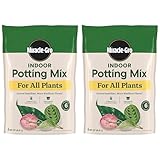
- Miracle-Gro Indoor Potting Mix for All Plants feeds houseplants for up to 6 months and grows healthier, more resilient plants (vs...
- This potting mix contains sphagnum peat moss, coconut coir, and perlite to help with water retention and release so indoor plants...
- Blended potting soil for a wide variety of indoor container plants, including herbs, climbing, foliage, and flowering plants

When to Fertilize
Most extension sources feed only while the plant is growing. CSU limits fertilizer and transplanting to March through September. Iowa State recommends a dilute fertilizer every 2 to 4 weeks from spring to early fall. Kansas State suggests every 4 to 8 weeks at half strength from spring through fall. NYBG says the plant needs relatively little fertilizer: one or two applications a month in spring and summer, and that too many feedings can weaken the plant. Purdue adds that a winter rest is not unusual, and there is no need to fertilize then. Missouri Extension is more open to light winter feeding, about once every four weeks or more often with a very dilute solution. The more common advice is to skip fertilizer or go very easy in winter and resume a dilute feed in spring. If the potting mix you use already contains fertilizer, do not add extra fertilizer until the mix’s feeding period ends, and follow the label.
Pruning: Do Not Cut It Like a Christmas Tree
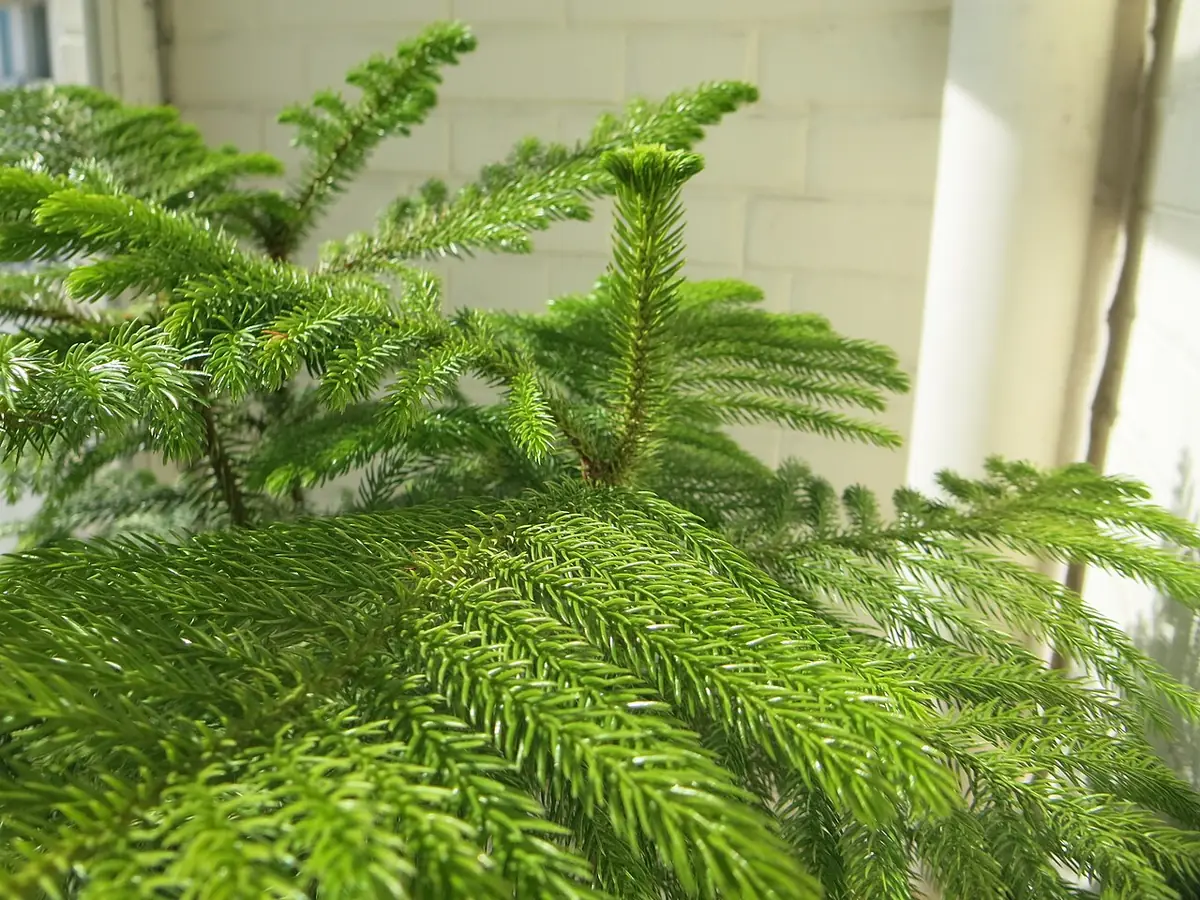
NYBG is direct: pruning is not a good solution. Much of the plant’s appeal is its symmetry. “If you cut off the top of a Norfolk Island pine, it will stop growth from that point.” You could try to keep a shorter outline by regularly shortening the side branches, but NYBG says the tree will lose its delicate end growth and most gardeners end up dissatisfied. Kansas State University, NYBG, and an Iowa State Ask Extension answer also say that broken or bare branches will not grow back. The plant may keep growing at the tip and look more like a palm. UF/IFAS, writing mainly about landscape trees, says to keep one central leader. That is a reason to protect the existing tip, not a method for cutting the tree back to a smaller houseplant.
Why Needles and Lower Branches Turn Brown
A few older needles on the lowest branches can brown and drop with age; Purdue and NYBG both describe that slow, limited shedding as typical. Widespread browning or the loss of whole lower branches is different. Iowa State points to low humidity, insufficient light, or dry soil. CSU adds too much water and drafts. Missouri Extension emphasizes drought on the lower limbs and overwatering at the roots. NYBG’s list is the same cluster: dry winter air, watering mistakes, harsh sun, and blasts of hot or cold air, with spider mites as an extra check.
- A few old lower needles drop slowly
- Often normal aging, if the rest of the tree stays green.
- Tips brown, then lower limbs drop
- Low humidity, dry soil, low light, or drafts.
- Browning in many places at once
- Watering problems, heat or cold blasts, or very dry air.
- Bare lower trunk, green only at the top
- Lost branches will not leaf out again; protect what is left.
Decorating a Living Indoor Christmas Tree
Iowa State notes that many people decorate a Norfolk Island pine with miniature lights, ribbons, and ornaments. The most specific advice in the sources used here comes from University of Missouri Extension. The live page returned an access error from this workspace on 2026-11-19, so the wording was checked against a 2026-07-21 Internet Archive snapshot of the December 15, 2025 article. Horticulturist David Trinklein says to avoid lights that produce heat, which can damage needles; LED lights stay cool and are lightweight; and heavy ornaments can permanently bend branches downward.
Those are horticultural cautions, not fire-test results. This article does not have a sourced laboratory rating for lights or decorations on this plant. Use cool, light decorations, keep cords and water away from each other, and leave yourself a way to water the soil.
After Christmas: Keep It as a Houseplant
Once the ornaments come off, keep the same bright, even care and treat the tree as a year-round houseplant. UF/IFAS says it can live indoors for a long time if it is not overwatered. Missouri Extension says a holiday plant can remain part of the tradition for many years.
Do not plant it in the ground unless you live in a climate that matches the hardiness notes above. NYBG says a container plant can spend part of the year outdoors in colder regions after frost danger has passed, or, to be safe, when night temperatures will not fall below 40°F, then come back inside. That is not the same as planting a hardy living Christmas tree in the yard. If you want a traditional cut tree, use the cut-tree care guide instead of forcing this tropical species into a cold landscape.
Norfolk Island Pine FAQ
Can you grow a Norfolk Island pine outdoors?
Only in the warmest parts of the United States. As noted above, NYBG and Missouri Botanical Garden center on Zones 10–11, while UF/IFAS and NC State use slightly different lists. CSU is blunt that the plant is not hardy in Colorado. For most readers, it should stay in a pot.
Will brown lower branches grow back?
No. A little slow needle drop on the oldest wood can be normal, but whole bare branches will not leaf out again, according to NYBG, Kansas State, and Iowa State Extension. Improve watering, humidity, and light to protect the branches that are still green.
How often should you water it?
There is no calendar number in these sources. Water when the surface or top inch of soil is dry, soak the pot, and throw out the water in the saucer. Water a little less often in winter, but do not let the root ball go completely dry.
Is a Norfolk Island pine toxic to cats and dogs?
The ASPCA plant record for Australian pine (Araucaria heterophylla), which also lists the common names Norfolk pine, house pine, and Norfolk Island pine, classifies the plant as non-toxic to dogs, cats, and horses, with toxic principles listed as “Non-toxic.” That is the ASPCA wording. The page does not discuss ornaments, tinsel, electrical cords, or fertilizer in the pot, which are separate household hazards.
Can you keep a Norfolk Island pine for years?
Yes, with consistent care. UF/IFAS and Missouri Botanical Garden both describe it as a long-lived indoor plant when it is not overwatered and is given suitable conditions. It may eventually outgrow a small room. If it does, the better option is usually a brighter, taller space, not cutting off the top.
If you are bringing home other holiday plants this season, see our guides to poinsettia care, amaryllis care, growing paperwhites indoors, and Christmas cactus care. A Norfolk Island pine rewards the same kind of steady care: bright light, even moisture, and a little extra humidity when the heat is on.