

Saving eggshells for the garden is one of the most popular kitchen-to-garden habits around. You will see them crushed around tomato plants, scattered in rings to stop slugs, and even hung from fences in mesh bags. Some of those uses hold up well. Others have been tested and fall short.
The short answer: eggshells are mostly calcium carbonate, but they break down slowly, so they are not a quick fix for anything. University of Minnesota Extension says they do not prevent blossom end rot, and a Royal Horticultural Society trial found crushed eggshells gave lettuce no protection from slugs. Their best uses are in the compost pile, finely ground into soil when a soil test shows you actually need calcium, and, once sterilized, as a calcium-rich grit for backyard birds.
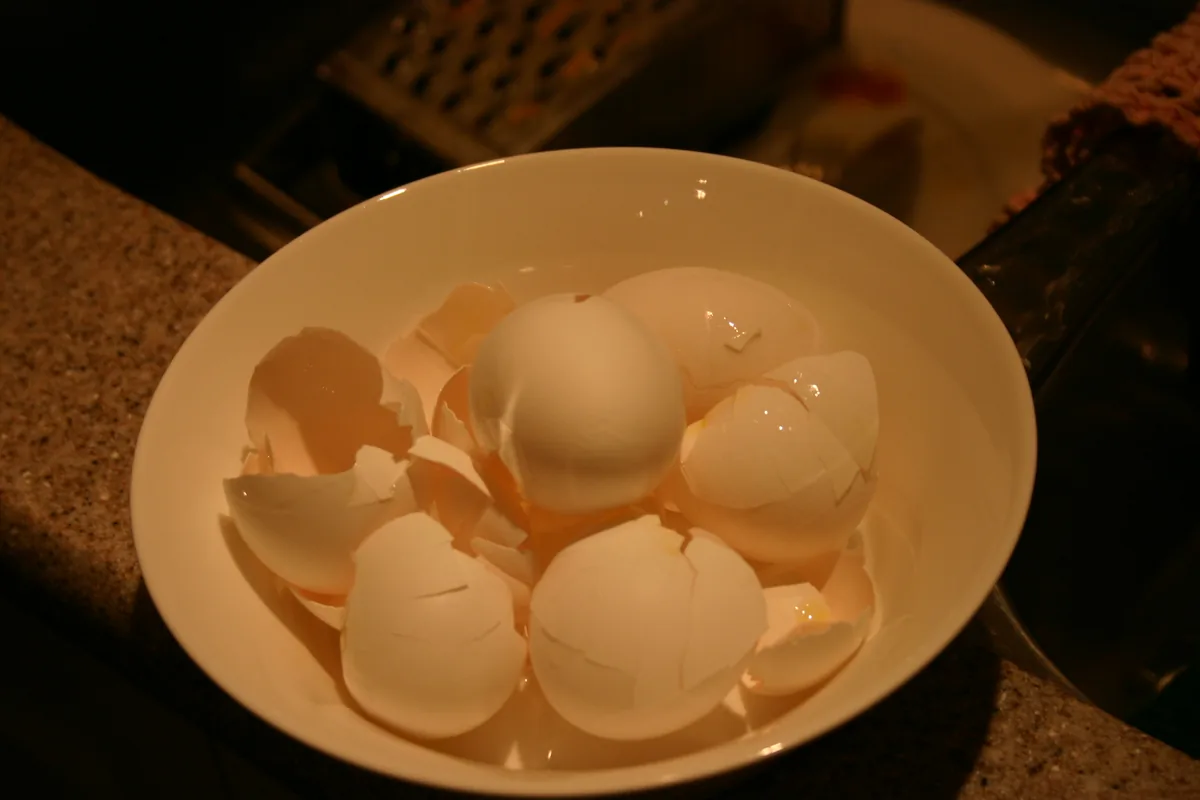
Eggshells in the Garden at a Glance
| Popular claim | What the sources say |
|---|---|
| Prevents blossom end rot | No. UMN Extension says eggshells do not prevent it. |
| Stops slugs and snails | No difference in an RHS barrier trial on lettuce. |
| Adds calcium | Slowly. Finely ground shells work far better than coarse pieces. |
| Good for compost | Yes, though they can take years to break down. |
| Helps birds | Can be offered as grit if sterilized first (Project FeederWatch). |
| Deters deer or cats | We found no extension or university research showing this. |
What Eggshells Actually Add to Soil
An eggshell gets its strength from calcium carbonate, and that is the reason gardeners value it. The catch is speed. Illinois Extension says eggshells can take anywhere from one to five years to break down, and that even crushed shells may not be readily available to plants and soil. UMN Extension adds that eggshells generally decompose too slowly to be effective as a calcium source, though smaller pieces break down faster.
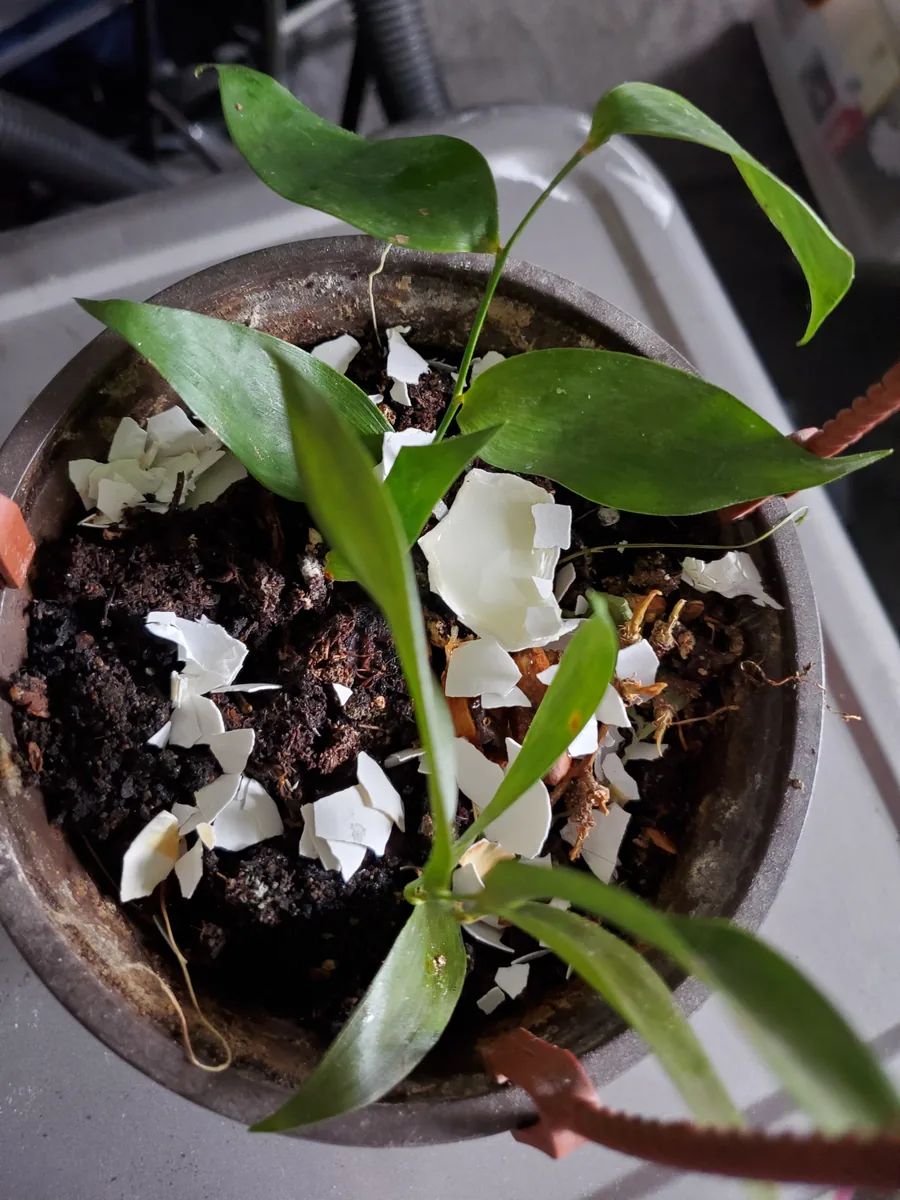
Particle size makes a real difference. In a 2018 Illinois Extension article, author Christopher Enroth describes an Alabama Cooperative Extension comparison: coarsely ground eggshells, crushed by hand, “were not much better than nothing at all,” while finely ground eggshells, resembling a fine powder, performed as well as pure calcium. He notes that large chunks take at least a year to break down.
Most garden soils do not need extra calcium in the first place. UMN Extension says most Minnesota soils already have plenty of calcium for garden plants, and Illinois Extension says the same of Illinois soils. Before adding any calcium source, eggshells included, get a soil test. If it shows a calcium shortfall, UMN Extension notes that agricultural lime and gypsum are good sources, and Enroth suggests finely ground eggshells can go into planting holes or around the garden when a soil test reveals a deficiency.
Do Eggshells Prevent Blossom End Rot?
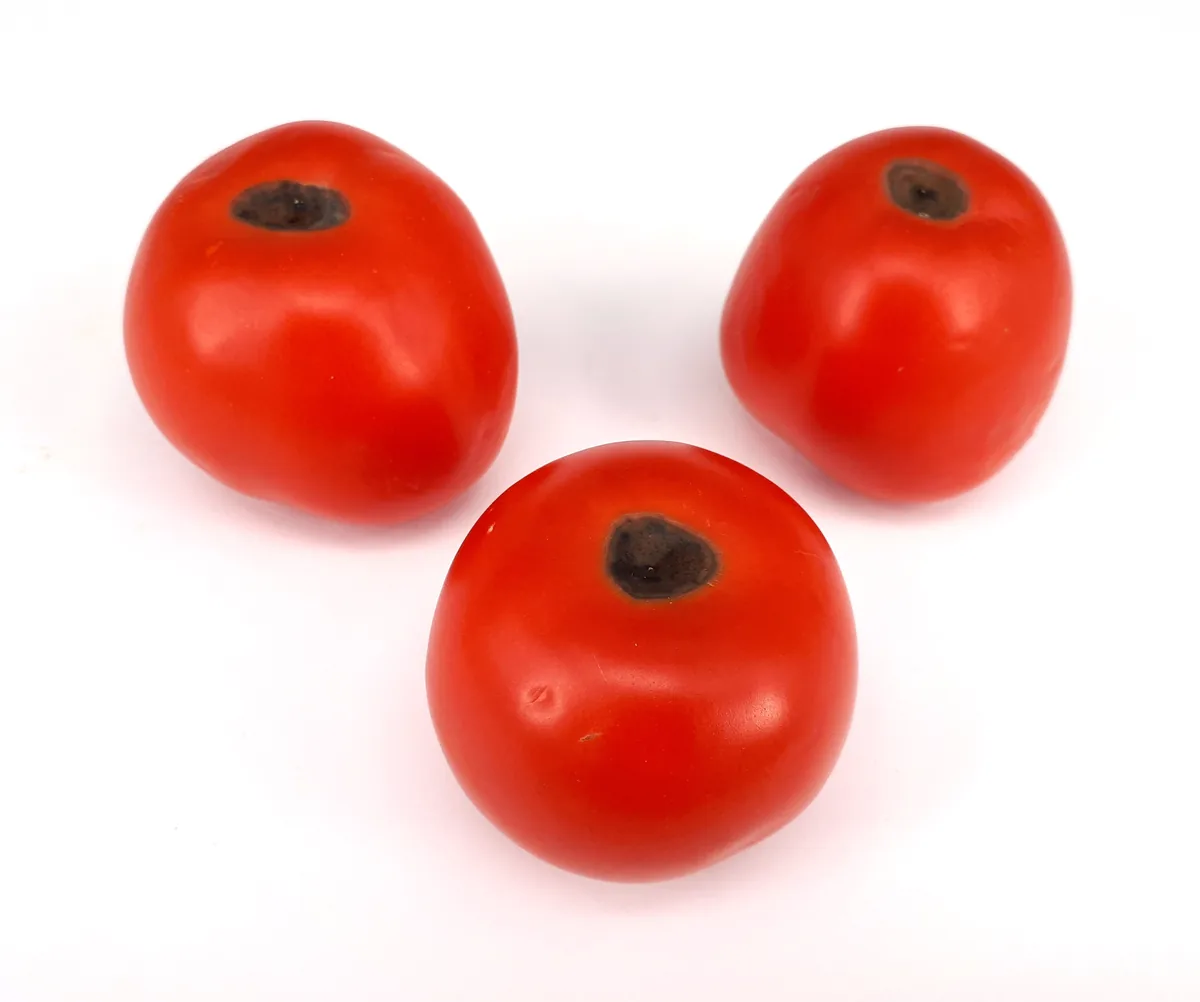
This is the most common reason people bury eggshells next to tomatoes, and it is the claim with the clearest answer. UMN Extension puts it plainly: “Eggshells do not prevent blossom end rot.”
Blossom end rot is a sign of calcium deficiency in the fruit, but UMN Extension explains that it usually reflects a water transport problem in the plant, not a lack of calcium in the soil. Calcium enters only through actively growing root tips and moves through the plant with water, so damaged roots or uneven moisture can keep it from reaching the fruit. NC State Extension agrees that the problem is usually due to uneven watering, and says adding eggshells “will not make calcium available to plants in a timely enough fashion to help with blossom end rot.”
What helps instead, according to UMN Extension:
- Keep the soil evenly moist with adequate (not excessive) watering, and mulch around the plants.
- Protect the roots by not cultivating too close to the base of the plant.
- Do a soil test, and fertilize according to its recommendations and the label directions.
Do Eggshells Keep Slugs and Snails Away?
The idea is that slugs will not crawl over sharp shell edges. It sounds sensible, but it has not held up when tested. In the RHS trial, entomologist Hayley Jones grew 108 lettuces in patio pots and raised beds for six weeks, surrounded by barriers of crushed eggshells, pine bark mulch, copper tape, sharp horticultural grit, or wool pellets. She found no difference in damage between the protected lettuces and the ones with no barrier at all.
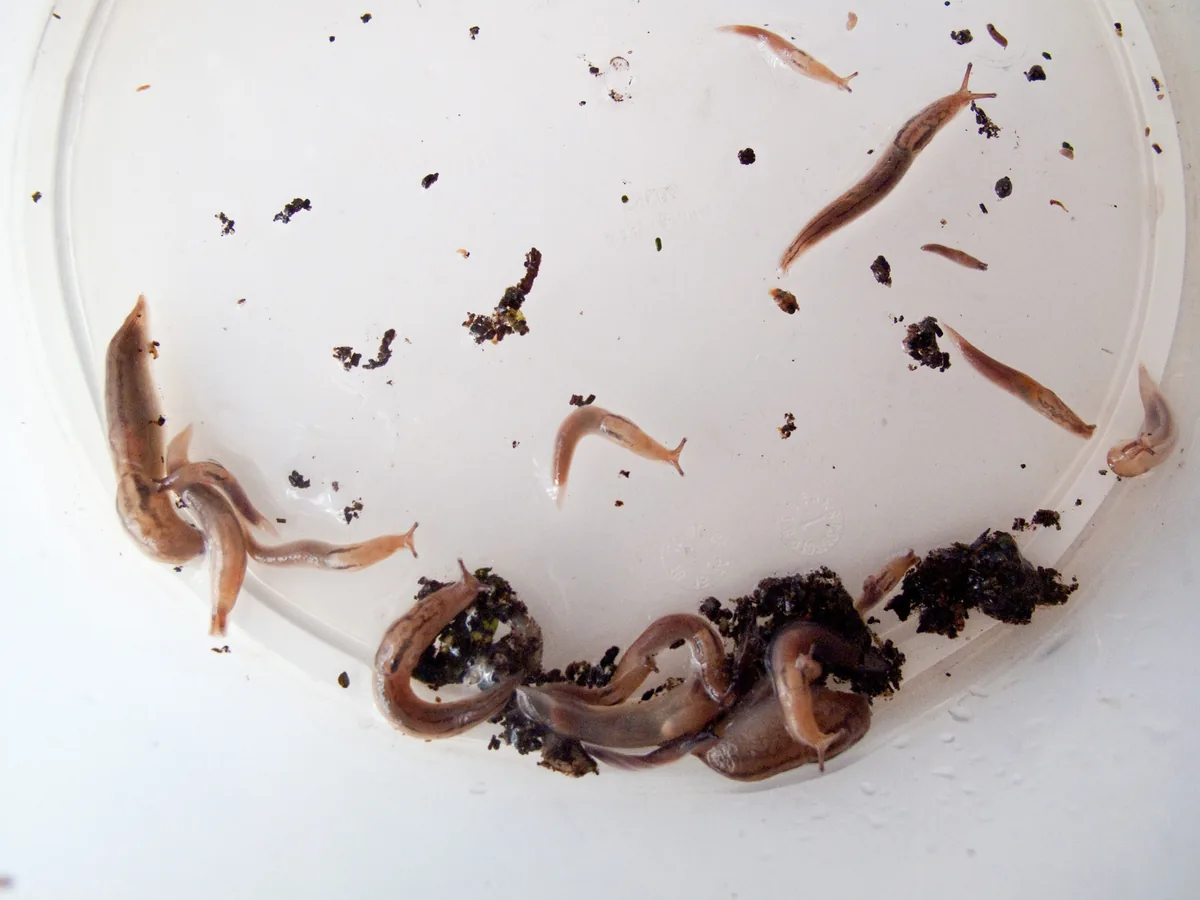
A McGill University Office for Science and Society article describes a similar test by a slug-research group, in which slugs crossed an eggshell barrier to reach lettuce leaves. It points to good evidence for baits treated with iron phosphate instead. If you try a bait, follow the label directions.
What About Hanging Eggshells in a Mesh Bag?
You may have seen advice to hang a mesh bag of eggshells from a fence or tree to keep deer, cats, or insect pests away. We could not find extension or university research showing that hanging eggshells deters deer, cats, or garden insects, and the barrier trials above suggest that even shells spread on the ground do not stop slugs. If you like the look of a rustic bag of shells, there is no harm in it, but do not count on it to protect your plants.
A bag can be a practical way to collect and dry shells until you are ready to compost or grind them, which leads to the uses that do make sense.
The Best Ways to Use Eggshells
1. Add them to the compost
Both UMN Extension and Illinois Extension recommend the compost pile as the simplest destination. They will still take a few years to break down, Illinois Extension notes, but composting keeps them out of the landfill. Crush them first: UMN Extension says the smaller the pieces, the faster they decompose. Do not be surprised to see white flecks in finished compost; that is normal.

- FEATURED IN BON APPETIT & FORBES: Recognized by renowned magazines, EPICA’s compost bin is a perfectly sized marvel for your...
- CONTROL KITCHEN ODORS NATURALLY: This indoor compost bin with a charcoal filter features an airtight lid and a replaceable...
- EASY TO CLEAN & RESISTANT TO LEAKS: This countertop bin features a one-piece molded design that resists rust and leaks. The...
2. Grind them fine, if your soil needs calcium
If a soil test shows a calcium shortfall, grind dry shells to a fine powder. Enroth suggests a coffee grinder, ideally an inexpensive one kept just for eggshells, and notes that finely ground shells give the quickest results.
3. Use them as grit in a worm bin
Enroth writes that he adds ground eggshells to his own worm bin, where the extra grit helps the worms break down food scraps.
4. Offer them to birds, sterilized
Birds swallow grit to help grind their food, and Project FeederWatch notes that eggshells are a good source of calcium, which birds need during egg laying. Its directions: sterilize the shells first, either by boiling them for 10 minutes or by heating them in an oven for 20 minutes at 250°F. Let them cool, crush them into pieces about the size of sunflower seeds, and offer them in a dish or on a low platform feeder.
Eggshells in the Garden FAQ
Are eggshells good for tomato plants?
They will not hurt, but they will not prevent blossom end rot either. UMN Extension says the problem usually comes down to uneven watering and calcium movement within the plant. Steady moisture, mulch, and a soil test do more.
How long do eggshells take to break down?
Illinois Extension says anywhere from one to five years, and that even crushed shells may not be readily available to plants. Finely ground shells break down fastest.
Can I put eggshells directly in the soil?
You can. UMN Extension says they will not harm your soil or plants. But large pieces do very little in the short term, so composting them or grinding them to a powder is a better use of the effort.
Do crushed eggshells stop slugs?
Not reliably. In the RHS trial, lettuces ringed with crushed eggshells were damaged just as much as lettuces with no barrier.
If you enjoy small, practical projects like this, you may also like our guides to growing mint in a pot and spider plant care. Keep saving those shells, and give them a job they can actually do: the compost pile, a fine powder for calcium-poor soil, or a dish of sterilized grit for the birds.