

Heatless curls take about 10 minutes to wrap and four to eight hours to set, and they need only two things: hair that is almost dry and even tension. The bigger risk is not heat but pulling. A wrap that drags at your hairline can break hair, and a tight set worn every night is how thinning starts at the temples.
They work on straight, wavy, and loosely curly hair. On a strong natural curl pattern a heatless set mostly adds shine rather than new shape; stylist Paul Jones told HELLO! he would "maybe avoid it" on naturally curly hair. Either way the technique is the same: wrap damp hair, let it dry in the shape, and take it down gently.
Sources cited include the American Academy of Dermatology and a chemistry explainer from the University of Maryland, Baltimore County. Below: what you need, the eight-step method, the four mistakes that flatten a set, and how to keep curls to day three.
Key Takeaways
- Heatless curls are set by water and tension, not heat. Water lets the hydrogen bonds inside each strand rearrange, and they lock into the new shape as the hair dries.
- Start on hair that is 80 to 90 percent dry. Wrapping soaking-wet hair is the most common reason a set is still damp, and flat, by morning.
- Keep the wrap loose at the root and firm at the ends. Tension at the hairline is the one way a heatless style can still damage hair.
Why Heatless Curls Work
Each hair has a cortex of spring-shaped protein rows under a cuticle that works like bark. Hydrogen bonds hold those rows in line, the way weak magnets would. Tara S. Carpenter, a chemistry lecturer at UMBC, explains that heating or wetting hair breaks that attraction, so a hot iron and a damp wrap can both change the shape of a strand. As the hair dries around a rod, the bonds re-form and hold the bend until water gets in again.
A curling iron uses the same mechanism with heat added, and that is where the damage comes in. Carpenter calls heat from styling tools the most common culprit behind a damaged cuticle. The American Academy of Dermatology advises keeping a curling iron in place for a second or two and using hot tools once a week or less. A heatless set skips that step entirely.
What You’ll Need
- A satin or velvet curling rod, a heatless curling headband, flexi rods, or foam rollers
- A wide-tooth comb
- A light-hold mousse, setting lotion, or leave-in conditioner
- One or two silk scrunchies, or the ties that came with the rod
- A claw clip for sectioning
- A microfiber towel or cotton T-shirt, and a silk scarf or bonnet for sleeping
Choose Your Method
All four methods below use the same principle, and the difference is the size of the tool and how tight the wrap is. Set times are a guide; thick or low-porosity hair needs longer than fine hair.
| Method | Best for | Typical set time | Curl shape |
|---|---|---|---|
| Satin curling rod or headband | Medium to long hair | Overnight, or 6–8 hours | Loose, brushed-out waves |
| Flexi rods or foam rollers | Short to medium hair | 4–6 hours | Springy spiral curls |
| Pin curls | Any length, vintage sets | 4–6 hours or overnight | Tight, sculpted curls |
| Braid or twist-out | Long hair, no tools | Overnight | Soft, irregular waves |
The satin rod or headband is the version most people mean by heatless curls: a padded rod sits across the top of the head, and sections wrap around it in one direction. It gives the loosest, most blown-out result, which suits medium to long hair. Keep the front sections wrapping away from the face so the finished curl frames it rather than falling into it.
For a beginner-friendly set: a padded satin curling rod with its own scrunchies

- EASY & DAMAGE-FREE STYLING – Skip hot tools and achieve beautiful heatless curls overnight with the Kitsch satin heatless...
- COMFORTABLE TO WEAR DAY OR NIGHT – The 34" satin heatless curling rod is designed as ultra-soft hair rollers and curlers to...
- COMPLETE SET OF HAIR ACCESSORIES FOR WOMEN – This all-in-one heatless curling set includes a satin heatless curler, one heatless...
Flexi rods are bendable foam rods that grip the hair without clips. They make tighter, more defined curls than a satin rod, and they are the better choice for chin-length hair, which tends to slip off a full-size rod. Smaller rods give a tighter curl; larger ones give a wave with more volume.
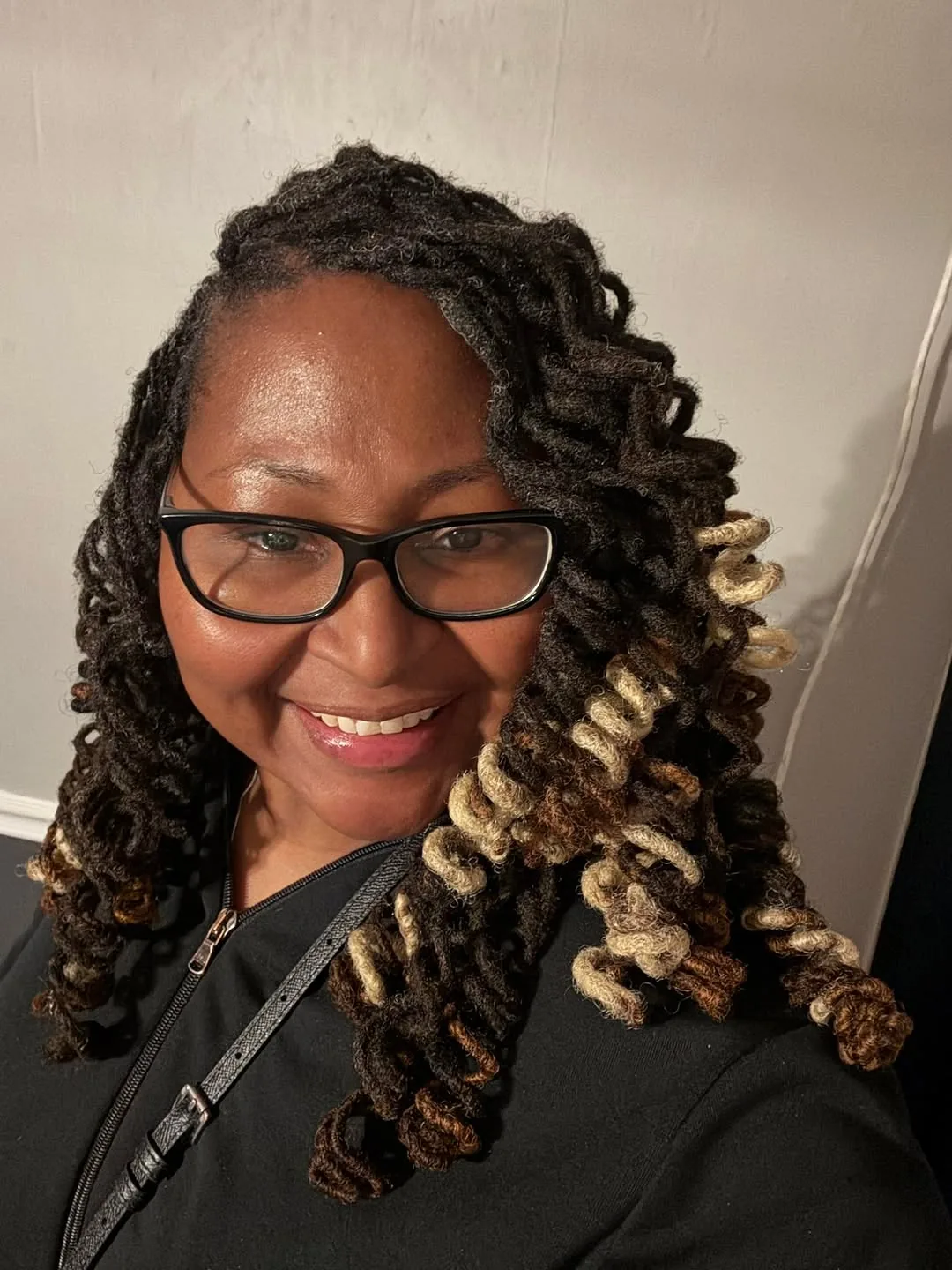
For tighter, springier curls: flexible foam rods in mixed sizes

- 7 Color-Coded Sizes for Tight Curls to Loose Waves:Each color matches a specific diameter—0.78 inch,0.7 inch,0.63 inch...
- Gentle on All Hair Types:From fine to coarse,straight to coily;hair rollers with foam exterior and smooth tips let hair glide on...
- Overnight Curls Without Heat Damage:Wake up to bouncy,salon-quality flexi rods without the frying damage of hot tools;these soft...
Pin curls make the tightest set of the four. You wrap a small damp section around two fingers, coil it flat against the scalp, and pin it. They take longer to put in and are less comfortable to sleep on, but they hold a sculpted shape and work on short hair.
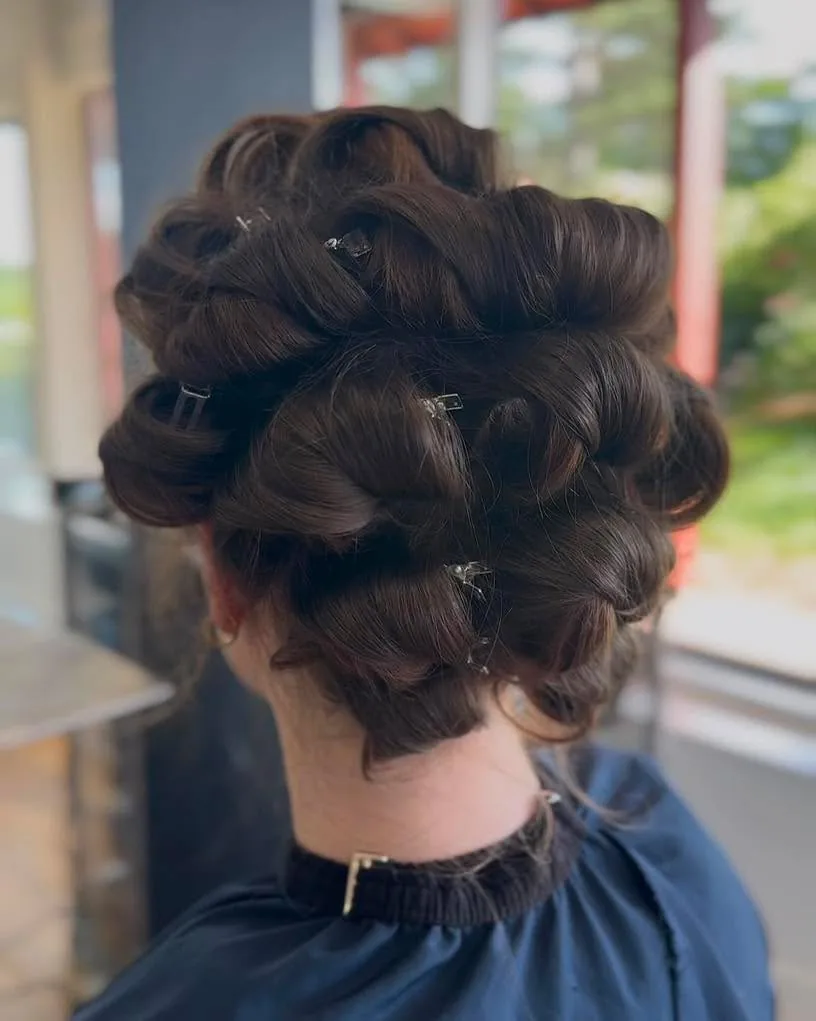
A braid or twist-out is the no-tool option: braid damp hair in two or more sections, sleep on it, and unravel in the morning. The wave is softer and less uniform, which reads as natural rather than styled.
Step 1: Start on Hair That Is 80 to 90 Percent Dry
Wash and condition as usual, then press the water out with a microfiber towel or a cotton T-shirt instead of rubbing. Let the hair air-dry until it is cool and damp but no longer dripping. The AAD notes that wet hair breaks more easily when combed, so detangle now with a wide-tooth comb, working from the ends up. Jones is blunt about the shortcut: "Never do it from wet as your hair will still be damp in the morning."
Step 2: Add One Light Hold Product
A light mousse, a setting lotion, or a small amount of leave-in gives the hair something to grip and helps the curl survive humidity. Comb it through so the product is even; uneven product means an uneven set. Skip heavy oils and butters before wrapping. They slow drying, and on fine hair they pull the wave flat before it has set.
For hold without crunch: a light-hold curl mousse

- EMBRACE THE CURL: Moisturize and volumize while keeping curls intact with this airy foam styling mousse
- Soft, Crunch-Free Feel: This lightweight, no-crunch mousse helps define and retain, adds volume to and de-frizzes curls
- MADE WITH 100% ALOE VERA AS THE FIRST INGREDIENT: This airy, vegan formula quenches tight curls to make them look and feel...

Step 3: Section the Hair
Part the hair where you want it to fall and clip the top half up. Work in sections an inch or two wide, keeping each one flat and smooth as you take it. Smaller sections dry faster and give a tighter curl; larger sections give a looser wave and need more drying time.
Step 4: Wrap Each Section With Even Tension
Start at the ends and roll toward the scalp, keeping the strand flat rather than twisted, and keep the tension the same from root to tip. A section that is tight at the top and loose at the bottom makes a curl that collapses in the middle. Stop an inch or two short of the scalp so the rod is not pressing on the hairline. The AAD specifically warns that styles which pull can cause breakage and eventually permanent hair loss, so if the wrap hurts, it is too tight.
Step 5: Secure the Ends and Cover the Set
Secure the last of the hair with the rod’s tie or a silk scrunchie, then cover the whole set with a silk scarf or bonnet. The cover is not cosmetic: it stops the rod shifting while you sleep and keeps friction off the cuticle, which is what makes a set look fuzzy by morning.
To protect the set overnight: a silk scrunchie that will not crease

- Not Satin But 100% Mulberry Silk: Different from cotton or satin scrunchie, real 100% mulberry silk scrunchies has strong smooth...
- Hair Care: As a protein structure, silk contains 18 kinds of amino acids. As a natural humidity control factor, it helps to keep...
- Frizz-Free & Anti-Static: The smooth texture of silk helps reduce frizz and static, keeping your hair looking sleek and polished...
Step 6: Leave It Until the Hair Is Completely Dry
This is the step people rush, and it decides whether the curl lasts. Fine hair may be ready in three or four hours; thick or low-porosity hair usually needs overnight. Jones told HELLO! that "longer than four hours is best for it to really make a difference." Before you unwrap, feel the nape of the neck, which dries last. If it is cool or tacky, leave the set another hour.
Step 7: Unwind Gently, Then Separate With Your Fingers
Unroll the hair off the rod instead of pulling the rod straight out, which drags the cuticle and makes the curl frizzy. Let each curl cool for a minute, then separate the sections with your fingers. Do not brush the set: brushing breaks the pattern the hair has just spent hours setting and turns defined curls into one shapeless wave.
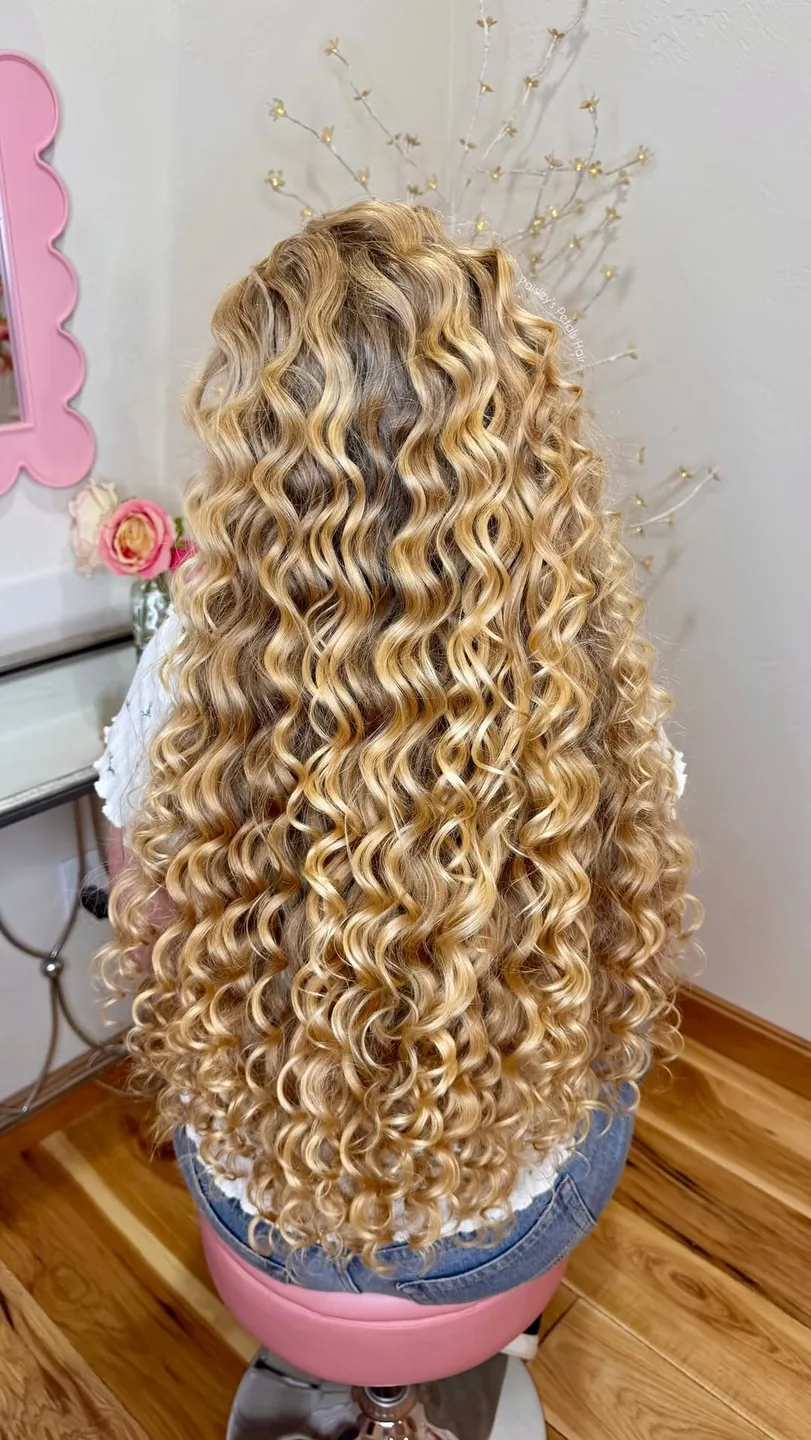
Step 8: Finish With Flexible Hold
Mist a flexible-hold hairspray from about a foot away, then use a cool shot of air for a few seconds to close the cuticle. Skip serum at the root, which weighs the wave down; a drop on the ends is enough. If you are wearing the result somewhere with a dress code, the loose-wave versions here sit well with the styles in our New Year’s Eve hairstyle ideas.
Four Mistakes That Flatten a Set
- Wrapping soaking-wet hair. The inside of the section never dries, so the bonds never lock and the curl drops within an hour.
- Pulling tight at the hairline. It feels more secure, but it is the one way to cause real damage. Snug at the ends, gentle at the root.
- Brushing out the set. Separate with fingers only, and wait a minute after unwrapping so the curl can cool.
- Too much product. Heavy cream or oil keeps the hair from drying and leaves the wave limp and greasy at the root.
Aftercare: Keep the Curls and the Hair Healthy
On wash day, shampoo the scalp and condition the mid-lengths and ends. If you use mousse most nights, add a clarifying wash every couple of weeks so product does not build up.
At night, gather the hair loosely on top of the head, secure it with a silk scrunchie, and sleep on a silk pillowcase. That keeps the shape without putting weight on the root, and it cuts the friction that makes curls frizzy by morning.
If the hair feels dry or rough after several weeks of sets, the cause is usually product and friction rather than the technique. Our guide to static and flyaways in winter covers the moisture and fabric fixes that help most.
How to Make Heatless Curls Last More Than a Day
Day two is mostly about not touching the hair. Pineapple it at night, keep the bonnet on, and resist combing through it in the morning. To refresh, mist the hair lightly with water, scrunch, and let it dry; adding more product each day is what makes curls look heavy by day three. Humid weather is the other enemy, because water in the air re-breaks the bonds the set just made.
If your hair is fine and the wave collapses by the afternoon, the fix is usually a lighter product and a slightly smaller section, not more hairspray. Our holiday hairstyles for fine hair go into the pinning and grip that hold a style on hair that slips.
Frequently Asked Questions
Do heatless curls work on short hair?
Yes, but not with a full-size rod. Above the shoulders there is not enough length to wrap securely, and the ends slip free. Use flexi rods, foam rollers, or pin curls instead, and keep the sections small.
Can you use heatless curlers on dry hair?
You can, but the set will not hold as well. Water is what lets the hydrogen bonds rearrange, so bone-dry hair takes a bend for a few minutes and then returns to its old shape. Mist dry hair until it is damp, or wrap it after a wash.
How long do you have to leave heatless curls in?
Until the hair is completely dry, which is usually four hours at minimum and six to eight for thick hair. Overnight is the easiest way to guarantee it. Check the nape before unwrapping.
Do heatless curls damage your hair?
They avoid heat damage, but a tight wrap or rough brushing can still break hair. Keep the tension at the root gentle, comb wet hair with a wide-tooth comb, and give the hairline a break from any style that pulls.
Why do my heatless curls fall out by lunchtime?
Usually the hair was still damp inside when you unwrapped it, or there was no product for the set to grip. Damp hair, no hold product, and brushing out too early are the three usual causes.
Can you sleep in heatless curlers every night?
You can, but rotate the position and keep the wrap loose. The AAD advises against continuously wearing styles that pull, so give the hairline a night off now and then and vary where the rod sits.
Sources
- American Academy of Dermatology, Hair styling without damage.
- American Academy of Dermatology, 10 hair care habits that can damage your hair.
- Tara S. Carpenter, Why does your hair curl in the summer? A chemist explains the science behind hair structure, UMBC, August 11, 2023.
- Orin Carlin, How to use heatless curlers properly according to a celebrity hairstylist, HELLO! Fashion, September 15, 2023.
Related Reading
More hair ideas and care guides live in the Hairstyle archive. For the finished curls, see our New Year’s Eve hairstyles and the fine-hair styles that hold all night.