

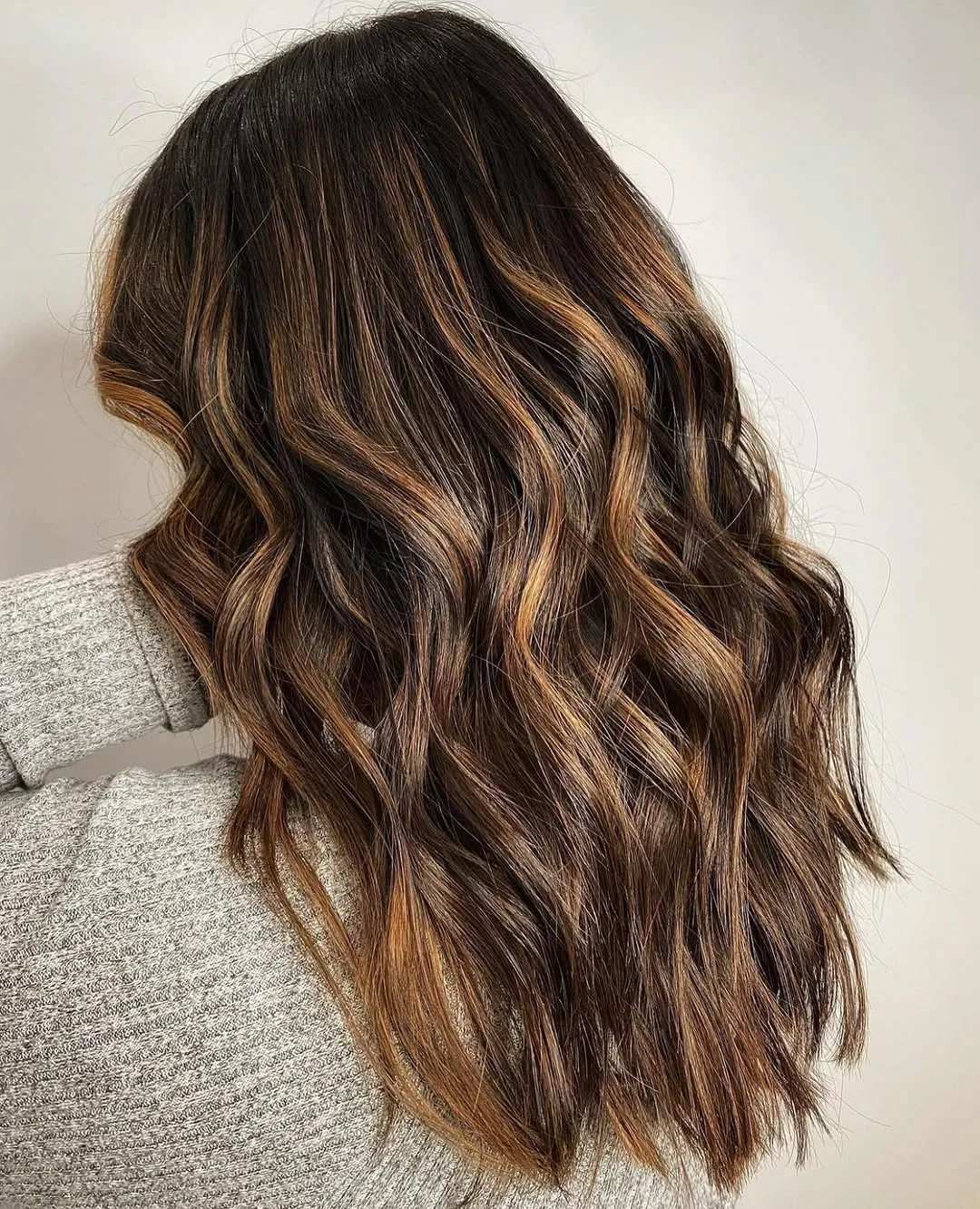
Static hair in winter is a charge problem, not a damage problem. Dry indoor air and friction from hats, scarves, and brushes leave extra electrons on the surface of the hair, so the strands push apart instead of lying flat. Fix the moisture and the friction, and the charge stops building.
The timing is predictable. The heating comes on, indoor humidity drops, and every wool coat pulled over your head adds another round of friction. Hair that behaved in October turns into a cloud by the first cold snap, and no amount of smoothing with your palm keeps it down for long.
Sources cited include the American Academy of Dermatology.
Key Takeaways
- Static is an electric charge that builds on dry hair; it is not the same thing as frizz, split ends, or breakage.
- Moisture is the fix that lasts; dryer sheets and finishing sprays only calm the surface until the next hat.
- Over-washing, hot tools, cotton towels, and unlined hats all add charge.
Static Hair Fixes at a Glance
| Fix | What it does | Best for |
|---|---|---|
| Moisturizing wash and conditioner | Puts moisture back into the strand after every wash | Dry, fine, and color-treated hair |
| Leave-in or a drop of oil | Adds weight and slip to the ends | Medium to long, thick, and curly hair |
| Fewer washes, lower heat | Stops stripping oils and over-drying the cuticle | Anyone who blows dry more than twice a week |
| Air-dry or ionic dryer | Dries without blasting charge into the hair | Weekly blow-dryers |
| Microfiber towel | Absorbs water with less drag on the cuticle | All hair types, especially curly and fine |
| Silk pillowcase or turban | Removes hours of overnight friction | Curly, coily, and fine hair |
| Dryer sheet or anti-static spray | Calms charge that is already there | Any hair type, short-term |
Why Does Static Hair in Winter Happen?
Hair is a poor conductor, so the charge that friction creates has nowhere to go. It sits on the surface, and strands carrying the same charge repel each other, which is why the hair lifts and separates instead of falling into place. “Static hair occurs when your hair builds up an electric charge, meaning it has gained some extra electrons thanks to friction or a change in humidity,” celebrity hairstylist Bridget Brager told Good Housekeeping.
Winter supplies both halves of that equation. Cold air holds less moisture, and indoor heating dries it further. “Winter is typically the worst season for static hair as the air often has low or no humidity, and taking a hat and scarves on and off causes friction,” Brager said.
Dry hair also takes on charge more easily than hair with some moisture left in it, which is why the same wool scarf that leaves one person alone turns another person’s ends into a halo. Fine hair, color-treated hair, and curly or coily hair usually show it first; those textures tend to run drier day to day. If your hair has changed texture or is breaking along with the static, start with the care guides in our Hairstyle archive before buying another product.
Static vs Frizz: What’s the Real Difference?
The two get blamed for the same halo, but they have different causes. Static is a charge that makes strands repel each other. Frizz is the cuticle not lying flat, so individual hairs curl away from the group. Good Housekeeping draws the same line: static comes from friction, while frizz comes from a raised cuticle.
The distinction matters because the fixes differ. A leave-in conditioner and a smoother pillowcase help both. An anti-static spray or a dryer sheet helps charge and does very little for a rough cuticle, which needs conditioning and less heat. If your hair feels rough as well as flyaway, treat it as frizz first.
7 Fixes That Actually Work
None of these needs a salon appointment, and most cost less than a single blowout. Work through them in order: the first four change what happens on wash day, and the last three change what happens between washes.
01. Switch to a Moisturizing Wash and Conditioner
Conditioner is the step that puts moisture back into the strand, and the AAD recommends using it after every shampoo rather than as a weekly treat. Apply shampoo to the scalp instead of the length, let the rinse carry it through the ends, then condition from the mid-lengths down.
This is the fix for dry, fine, and color-treated hair. Thick or curly hair can take a richer conditioner over the whole length. If your scalp is oily but your ends are flyaway, keep the shampoo on the scalp and condition only the last few inches.
02. Add a Leave-In or a Drop of Oil to Damp Ends
A leave-in conditioner or a lightweight oil adds weight and slip, which is exactly what a charged strand lacks. “Use a little leave-in styling treatment or a moisturizing finishing product rubbed into hands and applied directly to hair,” London hairstylist Michael Van Clarke told Good Housekeeping.
Medium to long hair and thick or curly textures get the most from this. On fine hair, keep it to the last two inches and use less than you think you need; a heavy hand turns flyaways into separated clumps.

03. Wash Less Often and Turn the Heat Down
Every wash strips some of the oils that keep hair supple, and every hot pass with a dryer or iron takes moisture out of the cuticle. The AAD advises washing according to how oily your scalp gets and limiting blow-drying, using the lowest heat setting when you do it.
Most people with dry or textured hair can stretch to two or three washes a week. An oily scalp may still need daily shampoo, which is fine as long as the ends are conditioned. This fix suits anyone who blow-dries or flat-irons more than twice a week.
04. Air-Dry, or Use an Ionic Dryer on Medium
Air-drying removes the heat and most of the friction in one move. “Use a hair dryer until your strands are damp, and leave the rest to air dry,” Van Clarke said. When you do finish with a dryer, an ionic model helps. “Static builds up when you blast air without an ionizer, and with it, the hair is more aligned and appears shinier,” Sabina Wizemann, senior chemist at the Good Housekeeping Institute, told the magazine.
This is the fix for anyone who washes in the morning and blow-dries out of habit. It is not a good fit if you have very thick hair and a cold bathroom, because a damp head for two hours is its own problem.
05. Swap the Cotton Towel for Microfiber
Rubbing hair with a terry towel roughs up the cuticle and adds friction at the same time. The AAD recommends wrapping hair in a towel to absorb water instead of rubbing it dry, and a microfiber towel or a cotton T-shirt does the same job with less drag. “Cotton can be harsh on the hair,” Brager said. “Microfiber towels are so helpful because they lay the cuticle flat and absorb a ton of water.”
This suits every hair type. It matters most for curly and coily hair, which is more fragile when wet and loses its shape when it is handled roughly.
06. Cut Friction While You Sleep and Dress
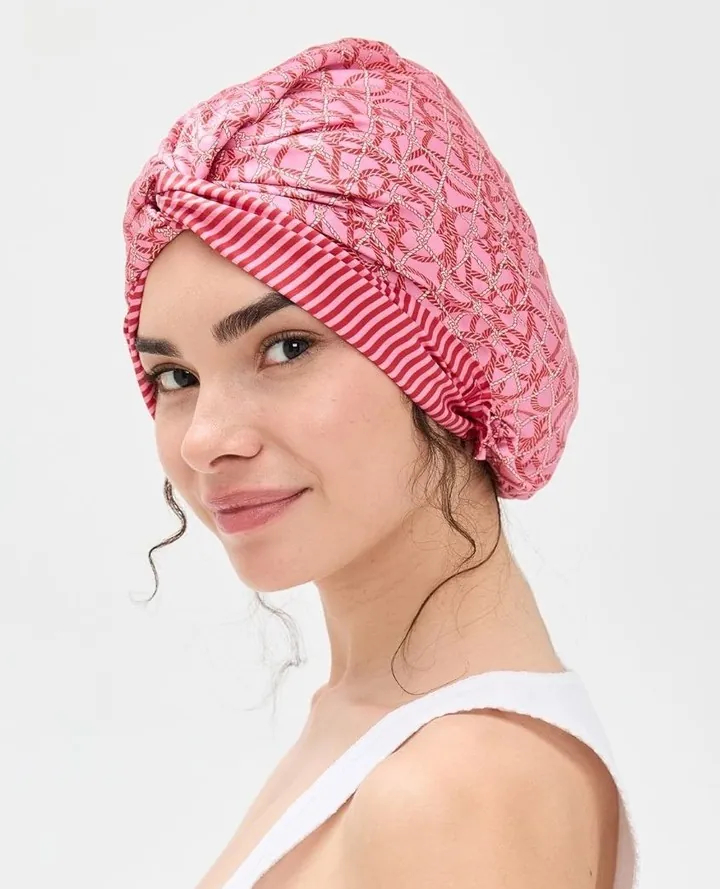
Pillowcases and hat linings are the two surfaces your hair meets for hours at a time. A silk or satin pillowcase, or a silk turban, lets hair slide instead of catching, and a satin-lined beanie does the same on the way to work. “Look for hats lined with silky textures whenever possible,” celebrity hairstylist Gregory Patterson told Good Housekeeping. “The more your hair rubs together on or with something rough, the more electric charges are produced.”
Curly, coily, and fine hair see the biggest difference, because all three tangle or flatten easily overnight. Anyone who wakes up with a halo after a normal night’s sleep should try this before buying another spray.
07. Keep an Emergency Fix in Your Bag
For the moments when you are already out and the static wins, a dryer sheet works. “Dryer sheets really work,” Brager said. “I actually have some in my kit.” Sweep one lightly over the surface of the hair, because pressing hard leaves residue that makes hair look dull. An anti-static spray misted onto a brush and run through the ends is the tidier version, especially on dark hair.
Treat this as a patch, not a routine. If you need it every day, the wash-day fixes above are the ones doing the real work. It suits any hair type and any length.
When Static Means Your Hair Needs More Than a Fix
Occasional flyaways are normal in winter. Static that comes with rough, straw-like ends, snapping hairs, or a texture change lasting past the cold snap is a different conversation. The AAD advises seeing a board-certified dermatologist when better hair care does not improve the look and feel of your hair, especially if you are also concerned about thinning.
Static itself does not pull hair out. Breakage and thinning have their own causes, and treating them as a styling problem wastes the months when they are easiest to address.
Frequently Asked Questions
Does hairspray make static worse?
Not usually, but it is not a fix. Hairspray holds the shape you already have; it does not add moisture or remove charge. A light mist over a finished style can weigh flyaways down for an evening, and a humid room will undo it.
Can static hair cause hair loss?
No. Static is a surface charge and does not pull hair from the follicle. Hair loss has other causes, and the AAD recommends a dermatologist’s assessment rather than a styling change if you are worried about thinning.
Is static worse on fine hair?
Often, yes. Fine hair has less mass to weigh it down, so the same charge lifts it more visibly. It also dries faster, which makes over-drying easy to do without noticing.
Does a humidifier help static hair?
It can. Adding moisture to dry indoor air reduces the charge that builds on hair and on everything else in the room. Run one in the room where you get ready, and keep the door closed if you can.
How often should I use a deep conditioner?
Once a week is enough for most dry or color-treated hair, and every other week is plenty for fine hair that goes limp under heavy products. Leave it on for the time on the label, then rinse thoroughly.
Once the halo is under control, you may want a style that hides it entirely. Browse the Hairstyle archive for updos, braids, and seasonal ideas, and keep this page for the mornings when dry air wins anyway.
Sources
- Good Housekeeping, How to Get Rid of Static Hair, According to Top Hairstylists
- American Academy of Dermatology, Tips for healthy hair
- American Academy of Dermatology, 10 hair care habits that can damage your hair
- American Academy of Dermatology, Hair styling without damage