

Skincare under makeup pilling is a layering problem, not a skin problem. Apply products from thinnest to thickest, use less of each than you think, let every layer set until it stops feeling wet, and press foundation on with a damp sponge instead of rubbing it in. That order fixes most winter bases on the first try.
Key takeaways
- Pilling is a film problem: in a 2024 study of 528 women, 41% saw product ball up, and 80% of those events happened when sunscreen went over another layer.
- Go thinnest to thickest, use a small amount of each product, and give every layer about a minute to set before the next one.
- Press, don’t rub. Rubbing in circles or straight lines caused far more pilling in the same study than patting or pressing.
By Ashley
Sources cited include the American Academy of Dermatology, the NHS, and a peer-reviewed study of pilling published in Skin Research and Technology. They are listed at the end.
Why winter makes every layer harder
Cold outdoor air holds very little water, and indoor heating pulls more moisture out of the room, which is why the American Academy of Dermatology names both as common causes of dry skin. Dry, rough skin gives makeup an uneven surface to sit on, so a base that looked smooth in July can read as patchy by the time you finish.
Winter routines also add layers. Richer creams, a heavier sunscreen and a long-wear foundation each leave a film behind, and films are what pill. In the 2024 study, 528 women in Guangzhou followed a three-step layering routine while researchers recorded what happened: 41% produced visible pills, and the overwhelming majority appeared after sunscreen was applied over a base product. Rubbing the products in made it worse.
The winter layering order at a glance
| Step | What goes on | How much | Wait before the next step | Texture that works |
|---|---|---|---|---|
| 1 | Gentle cleanser | Dime-sized | Pat dry, stay damp | Cream or gel, low foam |
| 2 | Hydrating serum | 2–3 drops | 30–60 seconds | Watery, no silicone |
| 3 | Moisturizer | Pea to almond | About 1 minute | Cream, not lotion |
| 4 | Sunscreen SPF 30+ | Even thin film | 2–3 minutes | Fluid or lotion |
| 5 | Primer (optional) | Pea-sized | About 1 minute | Match your foundation |
| 6 | Foundation | One pump, then build | — | Lightweight liquid |
Step by step: six layers, in order
01 of 06. Cleanse without stripping
Wash with lukewarm water and a gentle, fragrance-free cleanser, the kind the AAD recommends for dry skin. Skip anything that foams into a thick lather: that usually means more surfactant than a winter face needs. Keep the whole wash under a minute, then pat dry with a clean towel and leave the skin slightly damp.
02 of 06. Press in a hydrating serum
On that damp skin, press two or three drops of a watery hydrating serum between your palms and then onto your face. Glycerin and hyaluronic acid, both on the AAD’s list of helpful moisturizer ingredients, hold water in the outer layer. Pressing rather than rubbing keeps the layer even and stops you from dragging the skin.
For the water layer: a light hydrating serum with glycerin

- [MOIRA BEAUTY] Straight forward products that eliminate the fuss. You are reaching for confidence and self-discovery to shape your...
- [SUSTAINABILITY] Our products are socially responfible. Cruelty-Free, Vegan, Paraben-Free, Sulfates Free, Phthalate Free...
- [ALL GENERATIONS] Whether you are a make-up novice or a make-up artist, a lady or a student, Moira products will work for you.
This is the layer people usually overdo. A second helping of serum does not add moisture; it leaves a slick film that the next product has to sit on. One pass, then let it sink in until the surface feels cool and barely tacky.
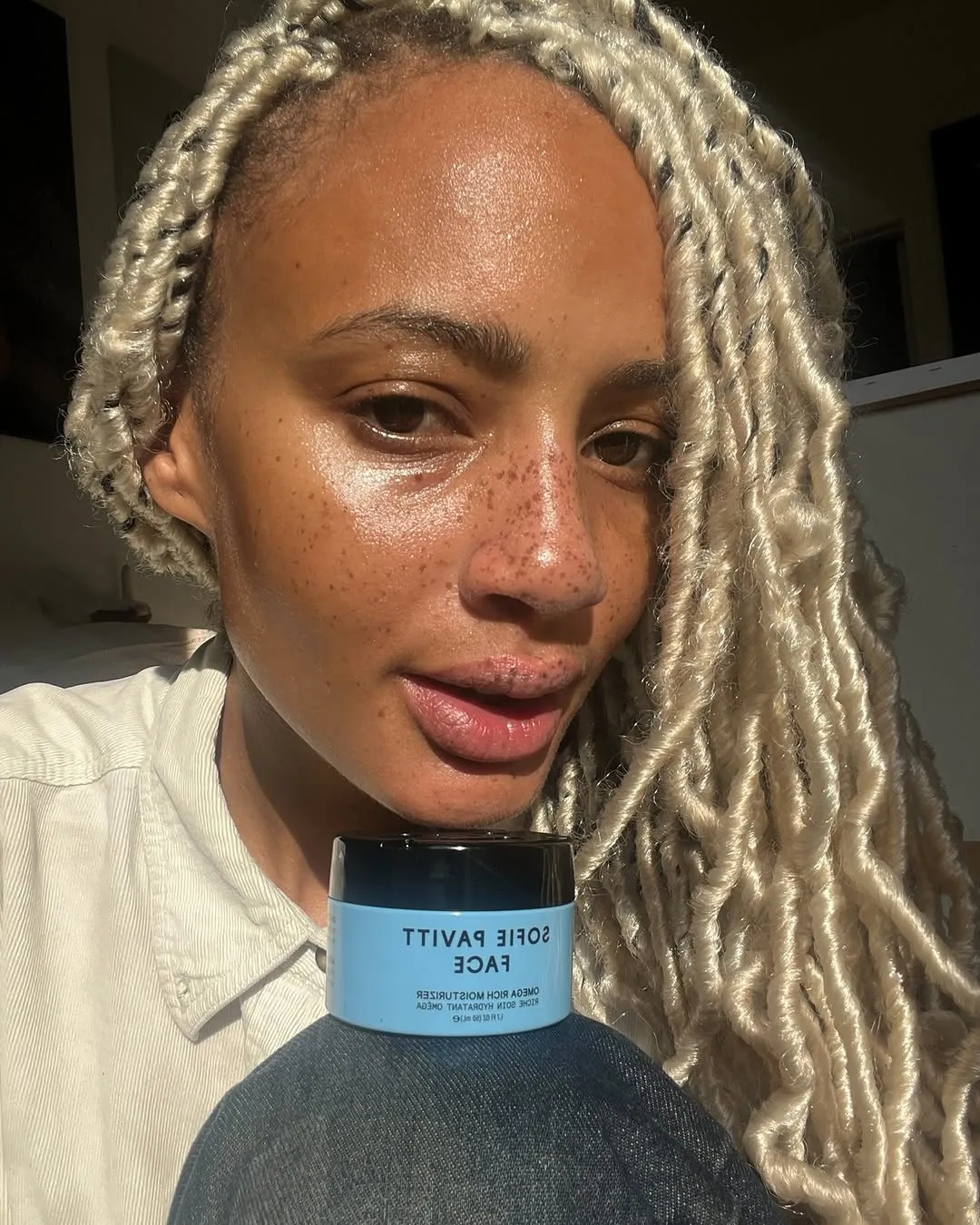
03 of 06. Seal with a cream
Creams and ointments hold water in better than lotions, according to the AAD, which is why winter is cream season even for skin that feels oily in summer. Take a pea-sized amount, warm it between your fingers, and smooth it over the face and neck in the direction of hair growth, the way the NHS advises for emollients.
For sealing in water: a fragrance-free face cream with ceramides

- [ HYALURONIC ACID MOISTURIZER ] With hyaluronic acid, ceramides and MVE technology for 24 hour hydration. Rich, velvety texture...
- [ MOISTURIZER FOR DRY SKIN ] A deficiency of ceramides in skin can often be associated with dry skin, which can feel itchy and...
- [ GENTLE DAILY MOISTURIZER ] For face and body or can be used as a hand cream for dry skin relief. Holds National Eczema...

Wait until the cream stops feeling wet before the sunscreen. If you can still see shine where you pressed a fingertip, it needs another minute. A cream that never sets is usually too rich for daytime; save it for night and use a lighter one under makeup.
04 of 06. Make sunscreen the last skincare step
Broad-spectrum sunscreen with SPF 30 or higher belongs under makeup, not instead of it, and the AAD’s advice to reapply every two hours outdoors still applies. A foundation with SPF is not a substitute, because a normal layer of makeup does not deliver the number on the label. This is also the step most likely to pill: in the study, sunscreen triggered the clear majority of pilling events, more than any other product.
For the sun layer: a fluid broad-spectrum face sunscreen, SPF 50

- 100% Mineral Zinc Oxide Sunscreen SPF 50: This 100% mineral SPF 50 sunscreen provides robust UVA/UVB protection with a...
- Advanced Antioxidant Cell-Ox Shield Technology: Featuring a powerful antioxidant complex, this unique formula helps protect your...
- Gentle, Chemical-Free SPF for Men & Women: Formulated with zinc oxide and titanium dioxide, this gentle, chemical-free sunscreen...
Apply it as an even film rather than three dots you stretch across the whole face, then give it two or three minutes. If your sunscreen is the pilling culprit, the study suggests foundation on top can actually settle it: in 98.9% of the cases where sunscreen pilled, adding foundation reduced or resolved it.
05 of 06. Skip primer, or match it to your base
Primer is optional, and in winter it is often the extra layer that tips a base into pilling. Silicone primers feel silky because they leave a silicone film, and a foundation built on a different base can slide on that film instead of gripping it, the kind of incompatibility the 2024 study describes. If you love primer, test the pair on your jaw on a day you are not going anywhere.
If your sunscreen already leaves a smooth, slightly grippy finish, you probably do not need a primer at all. That is one less film, one less chance of a crumb.
06 of 06. Press foundation on, don’t rub
Use one pump for the whole face, dot it on the cheeks, forehead and chin, then press it in with a damp sponge using small stippling motions. Rubbing in circles or long strokes was linked to the highest number of pilling events in the study, because friction lifts the film underneath. Pressing keeps that film intact.
For pressing, not dragging: a soft makeup blending sponge

- ❣️Made from Latex free makeup blender sponge.
- ❣️Makeup sponges for BB cream, cosmetic foundation, concealer, powder, liquid, and etc.
- ❣️Super Soft feeling wonder blender.
Build a second thin layer only where you need it, and give the first one a moment before you do. If you are putting together a full look for a party, our holiday party makeup looks show what a finished base reads like once blush, liner and lip are on top of it.

How much of each layer to use
Almost every pilling story comes back to quantity. Two or three drops of serum, a pea of cream, a pea of primer: those amounts disappear into skin instead of sitting on it. Sunscreen is the exception, because a thin smear does not give you the SPF on the label. Use enough for an even, slightly shiny film over face and neck, and let it set properly.
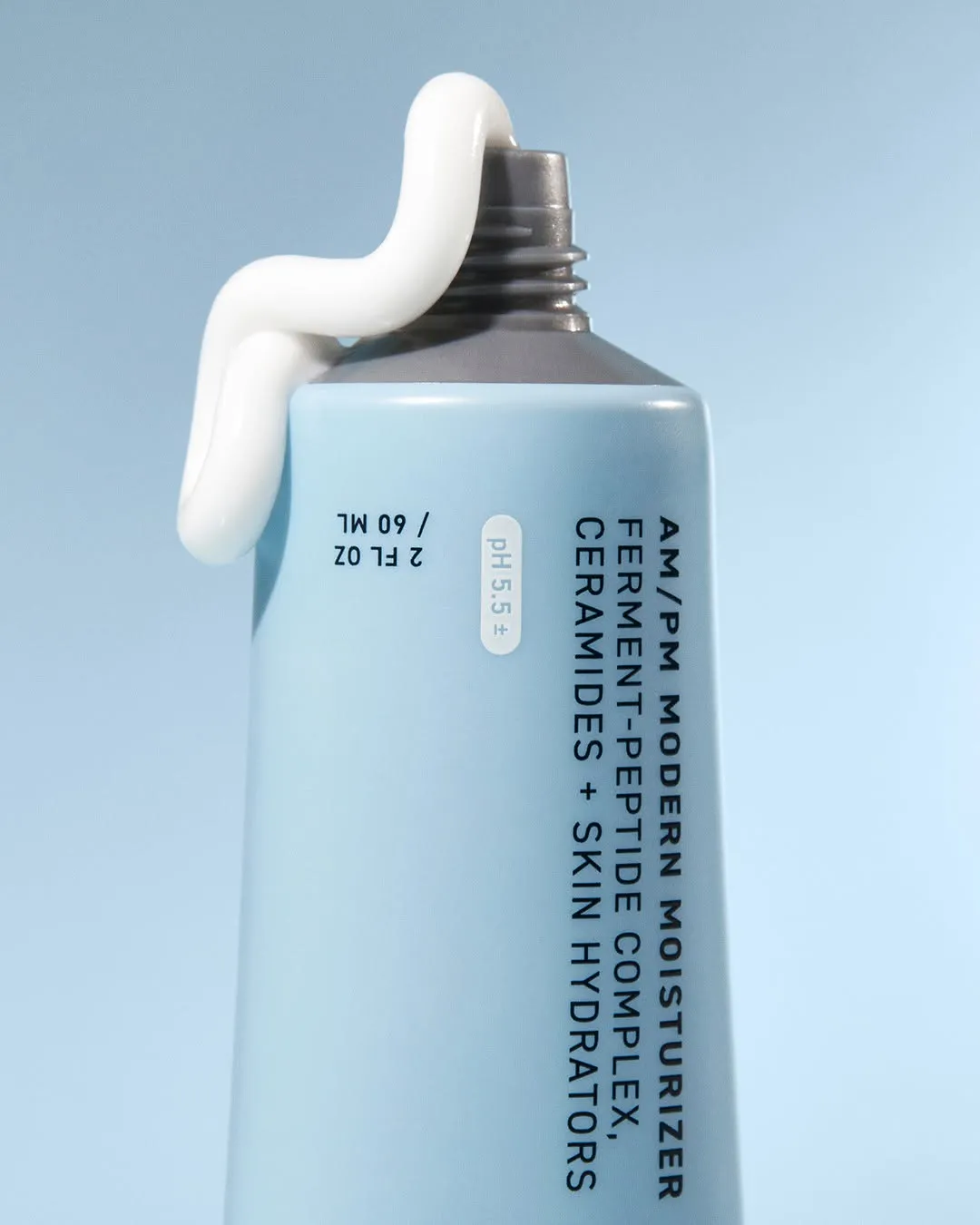
Foundation is the other place where less is more. One pump covers most faces in a thin layer; a second pump is for spot coverage, not for the whole face. A thick layer cannot grip a slick surface, and it is the layer that shows every flake when the day warms up indoors.
Why pressing beats rubbing
Pilling is mechanical as much as chemical. Each product dries into a film, and friction breaks that film into little rolls. The same study compared four application methods and found linear rubbing produced 266 pilling events, with circular rubbing next at 154; pressing and patting produced far fewer. The lesson is simple: the less you drag across a set film, the less you have to fix later.
That applies to every step, not just foundation. Press serum in with flat palms, smooth cream in one direction, and stipple sunscreen rather than buffing it. A damp sponge is gentler than fingers because it spreads the pressure over a wider area, and a sponge you have squeezed out will not dilute the products underneath.
What to do when your base has already pilled
Do not add powder. Powder grabs the loose rolls and makes them visible. Instead, take a clean damp sponge, press it against the pilled area and lift straight up; the crumbs come away on the sponge. If the whole face has gone, mist lightly with water, press everything down once, and start the foundation again with less product.
If it keeps happening with the same pair of products, change one thing at a time: drop the primer first, then switch the sunscreen, then the moisturizer. Testing on your jaw the night before an event is faster than diagnosing it in the mirror with ten minutes to spare.
Which textures pill most
Rich creams and balms that never fully absorb, dense mineral sunscreens, gripping primers and long-wear foundations with strong film-formers are the usual suspects. So are water-heavy gels under silicone-rich bases, because the two films do not grip each other. None of these is a bad product; they simply do not belong in the same stack on the same morning.
If a product pills no matter what you put under it, it may be the formula rather than your routine. In that case, use it at night, or save it for days when you are not wearing foundation.
FAQ
Does sunscreen always cause pilling?
No, but it is the most common trigger in testing. A sunscreen is built to leave an even protective film, and that film is easy to disturb if you rub it or apply makeup too soon. Give it two or three minutes and press the next layer on.
Can I skip moisturizer if my skin is oily?
You can use less, or use a gel in the oily zones and a cream on the dry patches, which is what dermatologists suggest for combination skin. Skipping it entirely usually leaves tight, flaky patches that grab foundation, so use less rather than none.
How long should I wait between layers?
About a minute for serum, cream and primer, and two to three minutes for sunscreen. The test is touch, not the clock: when the surface feels set rather than wet or slick, the next layer can go on.
Why does my makeup only pill in winter?
Because winter changes both sides of the equation. Skin is drier and rougher, and the products are richer. The same foundation that sat smoothly on summer skin now has a heavier cream and a denser sunscreen underneath it.
Is primer necessary under foundation?
No. It helps with specific jobs, such as filling visible pores or holding makeup on very oily skin, but it is one more film that can conflict with the sunscreen or the foundation. If your base behaves without it, leave it out.
What if a product stings?
Rinse it off and stop using it. The NHS lists stinging, burning, a rash or blocked follicles as reasons to switch emollients, and the same rule applies to anything in your routine. If the reaction does not settle, ask a pharmacist or doctor.
The rest of the getting-ready order
A base that holds all night only matters if the rest of the look holds with it. Our guides to holiday party hairstyles for fine hair, New Year’s Eve hairstyles and Christmas nail colors cover the parts that finish the job, and you can find more in Beauty.
Sources
- American Academy of Dermatology. Dermatologists’ top tips for relieving dry skin. Updated January 2, 2026.
- American Academy of Dermatology. How to pick the right moisturizer for your skin.
- NHS. Emollients. Reviewed October 24, 2023.
- Lua BL, Ruan L, Lyu Y, Liu S. Understanding the causes of skincare product pilling. Skin Research and Technology. 2024;30:e13828. PMC11294729. The study was funded by Clarins Groupe; two of the authors are Clarins employees.
- American Academy of Dermatology. Sunscreen FAQs.