

To remove gel nail polish at home, soak each nail in 100% acetone for 10 minutes, then wipe the softened gel off with a warm, damp washcloth. Two hands take about 20 minutes from set-up to clean-up, with no filing and no scraping.
That is the method board-certified dermatologist Shari Lipner, MD, PhD, FAAD, teaches at the American Academy of Dermatology. She skips foil in favor of plastic food wrap and warns against orange sticks. The reason is worth remembering: cured gel is a plastic film, and only solvent dissolves it. Force does not remove gel, it removes nail.
By Ashley. Sources cited include the American Academy of Dermatology and NHS.
Key takeaways
- Acetone does the work, not pressure. Ten minutes under a sealed wrap, then a warm washcloth, clears most soak-off gel.
- Protect the skin first. Petroleum jelly before you start, then daily for a week, prevents the dryness acetone causes.
- Never pick or scrape. Lifting gel with an orange stick or a fingernail can thin the nail plate and leave white spots.
Which removal method fits your gel
| Method | Time | Best for |
|---|---|---|
| 100% acetone + plastic wrap | 10 minutes wrapped | Standard soak-off gel at home |
| 100% acetone + foil | 10–15 minutes | Fingers that slip out of plastic wrap |
| Light buff, then soak | 15–20 minutes | Thick builder gel or four or more coats |
| Grow it out | About 6 months on fingers | Nails that are already thin or sore |
What the table leaves out matters as much as the timings. Acetone dries the skin around the nail, which is why the petroleum jelly in Step 2 is not optional. Foil seals more loosely than plastic wrap, so acetone drips and the soak takes longer. A light buff helps acetone reach a thick set, but the file stays on the product and never on the natural nail. Growing a set out is the gentlest option, at the cost of a visible regrowth line for weeks.
The acetone and grow-out times follow the AAD method; the buff row is standard salon practice rather than a published protocol.
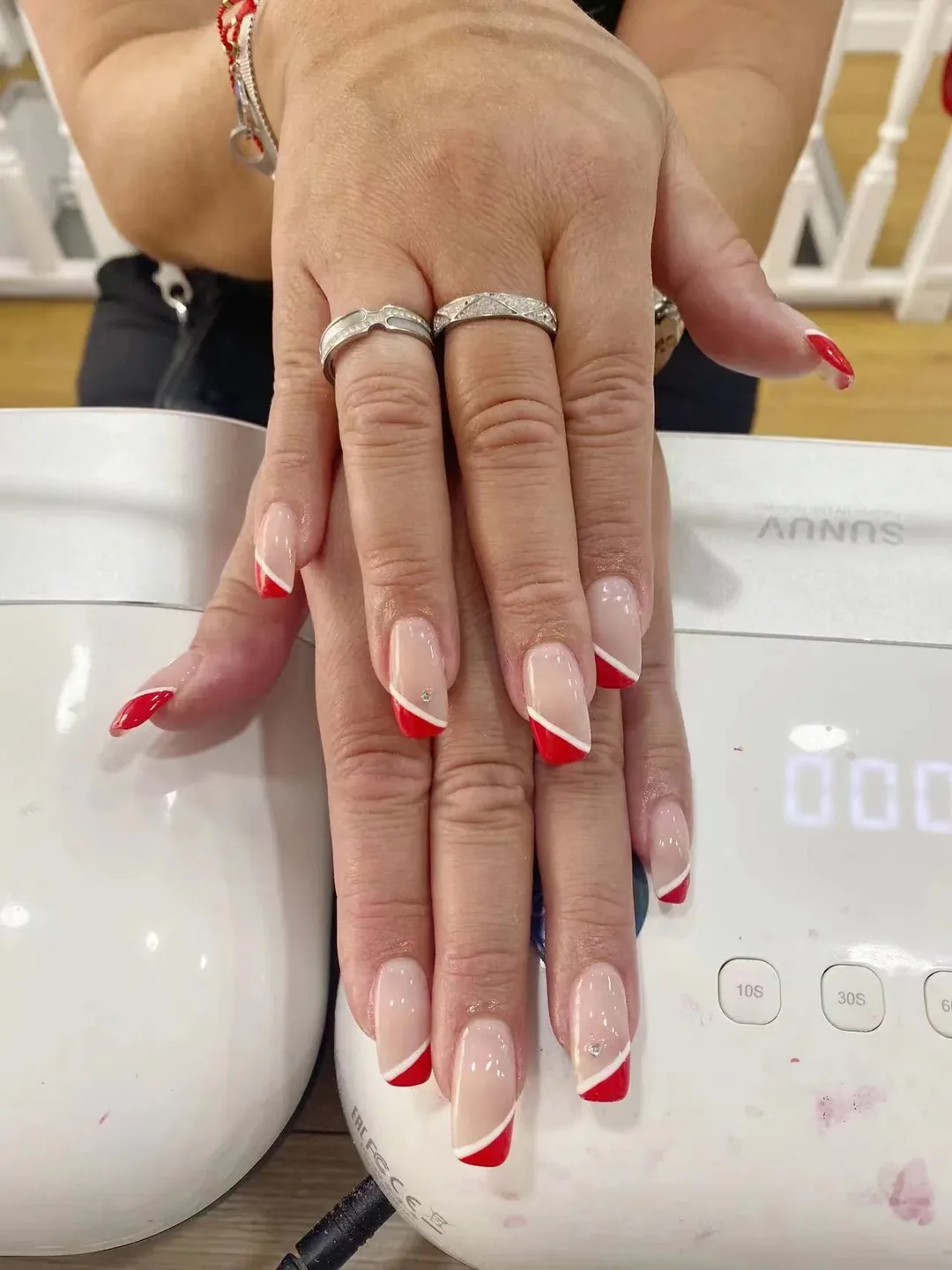
What you’ll need
Everything on this list is a household item, which is how the AAD frames the method. You do not need a removal kit, a lamp, or a drill.
- 100% acetone, sold as pure acetone in the nail aisle or the hardware store
- Cotton balls or cotton strips, cut to fit each nail
- Plastic food wrap, for the seal
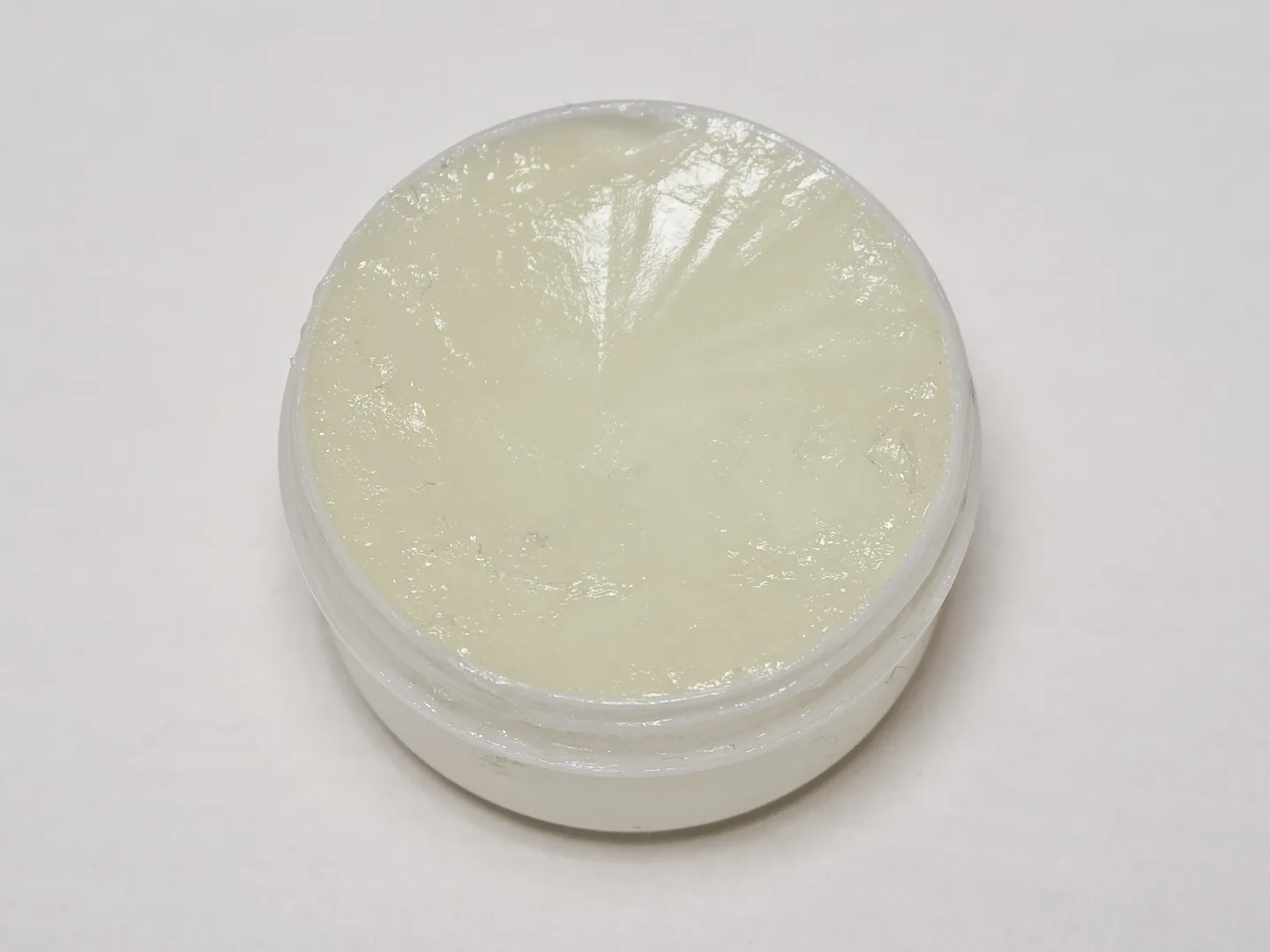
- Petroleum jelly, to shield the skin
- Small scissors, for the cotton
- A washcloth and a thick towel
- Gentle, fragrance-free soap
- Cuticle oil or more petroleum jelly for afterward
Leave the orange stick and the metal pusher in the drawer. The AAD specifically cautions that using an orange stick to lift gel can injure the nail and cause white spots, and a metal pusher does the same job with a sharper edge.
How to remove gel nail polish: step by step
Work on one hand at a time and keep the other hand dry, so you can handle the wrap, the scissors, and the timer without acetone on your fingers.
Step 1: Cover the surface you are working on
Acetone will mark a lot of household surfaces, from sink enamel to laminate countertops to painted furniture, so line the work area with plastic wrap and lay a thick towel over it. Do this before the bottle is open. A spill is far easier to deal with when the surface underneath is already protected.
Step 2: Put petroleum jelly on the skin, not the nail
Apply a thin layer to each cuticle and the surrounding skin. This is the AAD’s first step, and its purpose is protection: acetone sitting on skin irritates and dries it. Keep the jelly off the nail plate itself, or the wrap will not seal and the soak will take longer.
Step 3: Cut the cotton to the size of each nail
The AAD suggests about a quarter of a cotton ball for a pinky and half for the other fingers. Cotton that overhangs the nail pushes acetone onto the skin around it, which is exactly what the petroleum jelly is there to prevent.
Step 4: Soak the cotton in acetone and wrap the nail
Saturate each piece of cotton, press it onto the matching nail, then wrap plastic film around the fingertip and press the edges together. The AAD asks for a tight seal, but not so tight that you cut off circulation. Plastic clings better than foil, so the acetone stays where it is needed instead of dripping down the finger.
Tip: Wrap all four fingers of one hand before you start the timer. Wrapping one nail at a time means the first nail dries out while you work on the last, and you end up soaking twice.
Step 5: Wait 10 minutes, then lift the gel with a washcloth
Leave the wrap alone for the full 10 minutes. Peeling back a corner to check lets the acetone evaporate and restarts the clock. When you unwrap, most or all of the gel should have lifted on its own.
Run a washcloth under warm water and rub gently across the nail, not the skin around it. Any patch that resists goes back under cotton and wrap for five more minutes rather than under a scraper.
Step 6: Wash off the acetone and re-moisturize
Wash your hands with lukewarm water and a mild, fragrance-free soap, pat them dry, then work petroleum jelly into each cuticle and the skin around the nail. The AAD’s aftercare instruction is to repeat that every day for seven days, which is long enough for the skin to recover from the solvent.
Common mistakes that damage nails
- Picking at a lifted edge. The AAD is direct: picking or filing gel off can significantly damage the nail. A lifted edge is where the product has most likely taken a layer of nail plate with it, so pulling it away takes more.
- Digging with an orange stick. The AAD names this one specifically. Orange sticks are soft, but the pressure needed to shift gel that has not fully softened is enough to dent the nail and leave white spots.
- Soaking the whole finger. Only the nail needs acetone. Soaking fingertips up to the first knuckle dries skin that had no reason to be exposed.
- Skipping the timer. Acetone needs time to break the cured film down. Checking every two minutes is one reason removal can take an hour.
- Booking the next set the same week. The AAD suggests a polish holiday of one to two weeks between gel manicures, or longer, so the nail has time to repair.
What to do if the gel will not come off
Soak again before you reach for a tool. A second five- to ten-minute wrap is almost always faster and safer than lifting with pressure, and gel that has properly softened comes away with barely any effort at all.
- Hard gel and acrylic are not soak-off products. The American Academy of Dermatology (AAD) draws the line for you: soak-off gel comes away with acetone, while a set that has to be filed off does not. If yours has not lifted after two rounds of acetone, it is the file-off kind, and a nail tech or a salon should take it down rather than you forcing it.
- A very thick set benefits from a light buff first. Four or more coats, or a builder overlay, can take a minute of gentle filing on the top layer so acetone can penetrate. This is standard salon practice rather than an AAD step, so keep it light: stop as soon as the surface looks dull, and never let the file reach the natural nail.
- Stop if it stings. Acetone on broken or irritated skin burns. Take the wrap off and rinse with water rather than soaking through it.
Aftercare for the first week
Freshly exposed nail plate is thin and dry. Keep nails short for a few days so they do not catch on clothing, and apply hand cream to your nails and fingertips regularly, which is the NHS’s general advice for looking after nails. Wear rubber gloves for dishes and cleaning, since repeated water exposure is one of the reasons nails split and peel.
Give the nails a real break before the next gel set. The AAD recommends a polish holiday of one to two weeks, or longer, between gel manicures, and adds that gel manicures can cause brittleness, peeling, and cracking even when they are removed correctly. If you are weighing gel against regular polish for your next appointment, the rest of our Nails section covers long-wear finishes and at-home routines.
Two habits make the biggest difference in that first week: moisturize more often than feels necessary, and do not use your nails as tools. Opening a can with a thumbnail undoes a careful removal in one second.
When to see a professional
Most removal problems are cosmetic. A few are not, and they are worth knowing before you decide to soak a third time.
- See a GP if a nail has changed shape or color, or fallen off, and you do not know why, or if the skin around a nail is sore, red, swollen, and warm. The NHS lists that combination as possible paronychia, an infection that needs treatment rather than another soak.
- See a nail tech or dermatologist if the nail plate looks white or flaky after removal, or if gel will not lift after two rounds. Continuing with a file at that point risks thinning the plate further.
- See a board-certified dermatologist for unusual changes or a persistent nail problem, which is the AAD’s standing advice for anyone who wears gel regularly.
FAQ
Can I use regular nail polish remover instead of acetone?
Not for cured gel. Standard and non-acetone removers are formulated for lacquer, which dissolves easily. The AAD notes that acetone is required to remove gel polish, which is also why it suggests regular polish for anyone with recurring nail problems or an acetone allergy.
How long should the acetone stay on?
Ten minutes is the benchmark in the AAD method. Thick builder gel can need closer to 15, which is better done as a second five-minute wrap than one long soak.
Can I peel gel off if it is already lifting?
No. The AAD advises against picking, and the lifted edge is exactly where the product is most likely to take nail plate with it. Re-wrap that nail instead.
Does gel removal damage your nails?
A soak-and-wipe removal does not thin the plate, but acetone dries the skin and gel wear itself can leave nails brittle. The AAD lists brittleness, peeling, and cracking among the effects of gel manicures, which is why the break between sets matters.
Do I need to file the top layer before soaking?
Not for standard soak-off gel. The AAD’s home method starts with petroleum jelly and cotton, with no filing step. A light buff of the top layer helps only when the gel is unusually thick, and it should stay on the product.
How often can you get gel manicures?
The AAD recommends moderation: a polish holiday of one to two weeks between sets, and gel reserved for occasions rather than worn back to back all year. If your nails stay brittle despite breaks, a dermatologist can check whether something else is going on.
Sources
- American Academy of Dermatology. Dermatologist’s secret for removing gel nail polish at home. Shari Lipner, MD, PhD, FAAD.
- American Academy of Dermatology. Gel manicures: Tips for healthy nails.
- American Academy of Dermatology. Tips for healthy nails.
- NHS. Nail problems. Reviewed 12 March 2024.
- American Academy of Dermatology. Artificial nails: Dermatologists’ tips for reducing nail damage.
More at-home manicure and nail-care guides live in our Nails section.