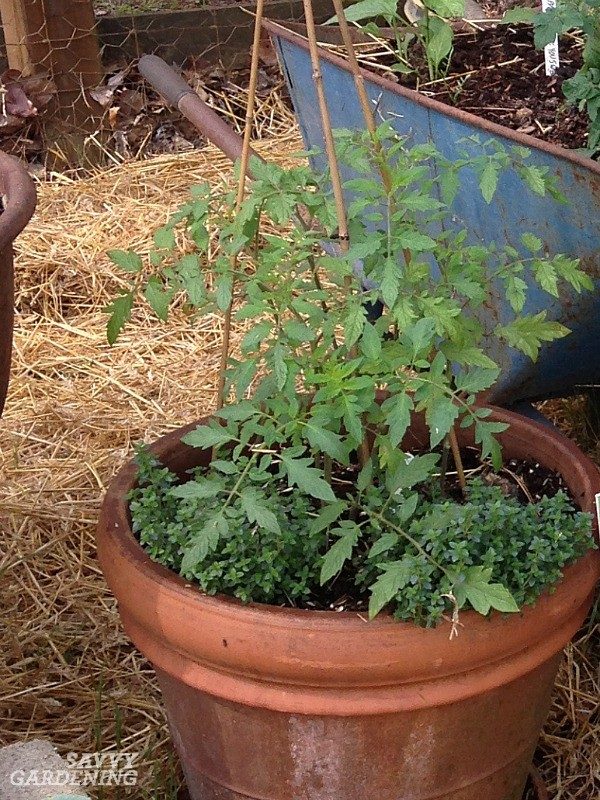

Gardening is a rewarding activity that combines love for nature with the satisfaction of cultivating your own food.
However, not all plants grow well together, and choosing the appropriate combinations can make the difference between an abundant and a disappointing harvest.
In this article, we will focus on tomatoes, one of the most popular crops in home orchards, and we will explore which plants are the best companions for them.
In addition, we will provide you with practical advice and detailed explanations so you can optimize the performance of your tomatoes and enjoy a healthy and abundant harvest.
Why is it important to choose the companion plants well?
The crop association is an agricultural technique that consists of planting different species close to each other to take advantage of its mutual benefits. This practice not only improves the growth of plants, but also helps control pests, enrich the ground and maximize the use of space in the garden.
In the case of tomatoes, choose the right companions can:
- Repell pests: Some plants emit odors or substances that scare away harmful insects.
- Attract beneficial insects: Certain flowers and herbs attract pollinators and natural plaster predators.
- Improve soil health: Some plants set nitrogen on the ground, which benefits tomatoes.
- Optimize space: Combining plants of different sizes and growth habits allows you to take better advantage of the available space.
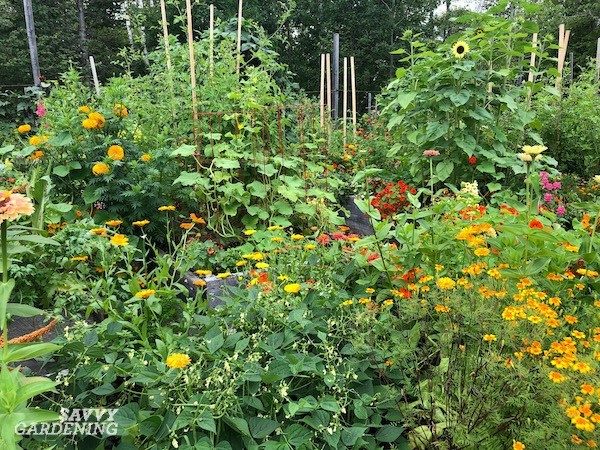
Plants that you should not grow next to the tomatoes
Before talking about the best companions for tomatoes, it is important to mention which plants you should avoid. Some species may compete for nutrients, water or space, or even transmit diseases. Here you have a list of plants that are not compatible with tomatoes:
- Cabbage and other crucifers: Share similar diseases, such as fusariosis, which can affect both crops.
- Potatoes: Both plants belong to the Solanáceas family and are susceptible to the same pests and diseases, such as the late blight.
- Corn: Attracts the co -goller worms, which can also damage the tomatoes.
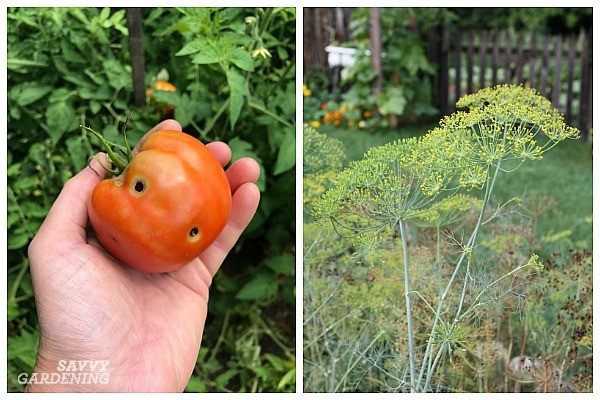
- Fennel: Release chemical substances that inhibit the growth of many plants, including tomatoes.
The best companion plants for tomatoes
Now that you know what plants to avoid, it is time to explore the best options to grow next to the tomatoes. These plants are not only compatible, but also offer specific benefits that improve the growth and health of tomatoes.
1. Lettuce
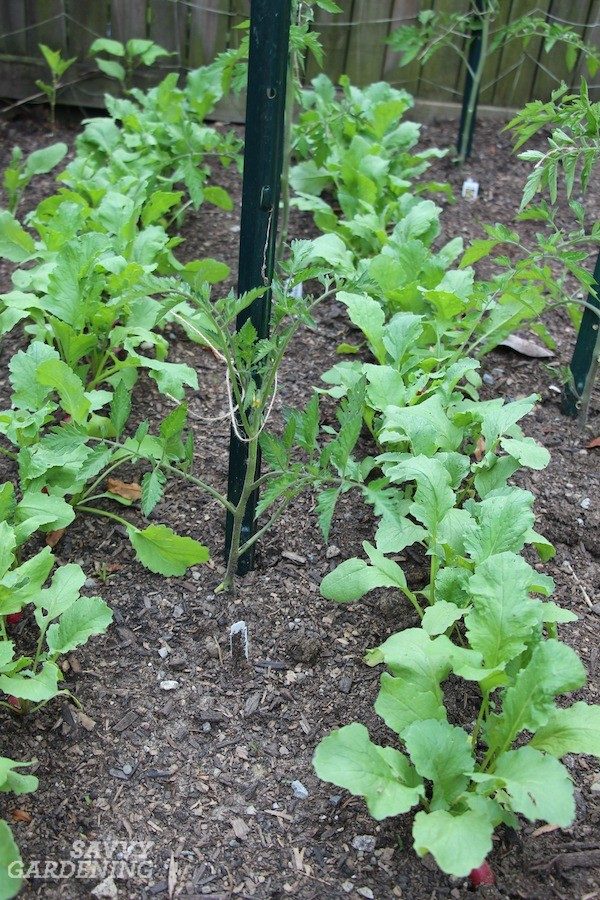
Lettuce is one of the best companions for tomatoes. Its shallow roots do not compete with the deepest roots of the tomatoes, which allows efficient use of space. In addition, lettuce acts as a living mulch, helping to maintain soil moisture and reducing the appearance of weeds. It is also believed that lettuce releases compounds that enrich the soil and favor the growth of tomatoes.
Benefits:
- Keeps the soil fresh and humid.
- Reduces nutrient competition.
- Improve soil health.

- Healthy Food Source: Because of its tender flavor, lettuce is a popular vegetable for salad, sandwiches, wraps, soups, stir-fries...
- USA Original: All of our seeds are sourced and packaged in America. All seeds are heirloom, non-GMO, non-hybrid, high germ rate...
- Unique Present: Heirloom seeds are hard to get, which makes great presents for housewife, chef, home gardener, garden enthusiast...
2. Basil
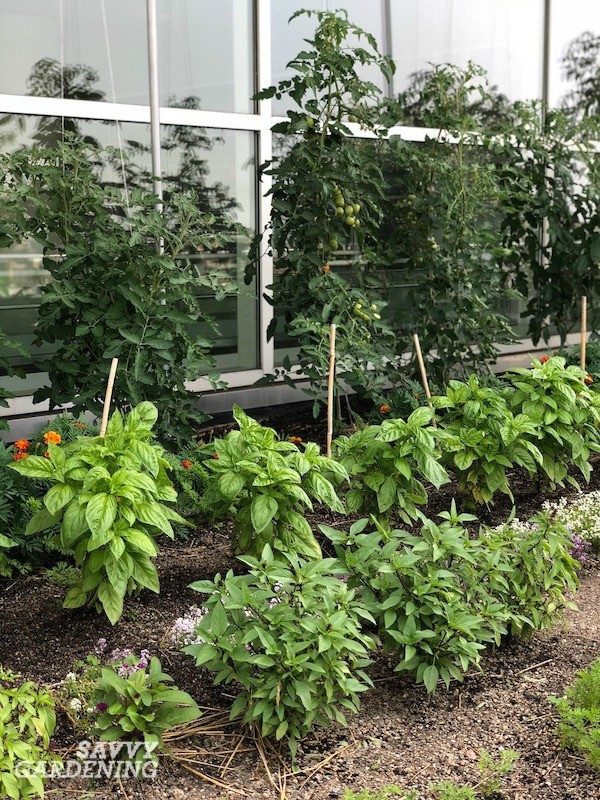
Basil is another excellent companion for tomatoes. Not only repels pests such as mosquitoes and white flies, but also improves the taste of tomatoes. In addition, it attracts beneficial insects, such as bees, who help in pollination.
Benefits:
- Repeals pests.
- Improve the taste of tomatoes.
- Attracts pollinators.

- Edible basil seeds: Zen Basil Seeds are very nutritious edible basil seeds! 2 tbs of our seeds equals 15g of fiber. Simply add to...
- More fiber than chia: This superfood is known for its health-promoting properties & its natural source of fiber, vitamins...
- Highest quality: We source the high quality, sustainably grown basil seeds. This superfood is high in fiber. It contains vitamin k...

3. Onions and garlic
Onions and garlic are known for their repellent pest properties. Planting them near tomatoes can help dissuade insects such as aphids and red spiders. However, it is important to keep in mind that onions can compete for nutrients, so it is advisable to plant them at a moderate distance.
Benefits:
- They repel pests.
- They improve soil health.

- Large, Firm Garlic Cloves for Planting. Each bulb produces thick, well-formed garlic cloves that separate cleanly. Customers...
- Cold Hardy Hardneck Variety. These hardneck garlic bulbs for planting are well suited for fall planting in colder regions. Growers...
- Fast Sprouting and Healthy Growth. Planted garlic seeds sprout quickly under proper conditions, producing uniform shoots. Suitable...
4. Carrots
Carrots are a good option to grow next to tomatoes, since their deep roots do not compete with the superficial roots of tomatoes. In addition, carrots help air the ground, which benefits both plants.
Benefits:
- They air the floor.
- They do not compete for nutrients.

- Sweet Scarlet Nantes Roots - Grow orange, nearly coreless carrots with a tender bite and classic cylindrical shape. Harvest roots...
- 1000-Seed Yield Range - At a 20-70% productive-plant range and 0.14 lbs average per plant, 1000 seeds could yield about 28-98 LBS...
- Direct Sow For Straight Roots - Sow 1/4 inch deep outdoors. Use the 55-75 F seed-zone guide and keep the surface evenly moist...
5. Calendulas
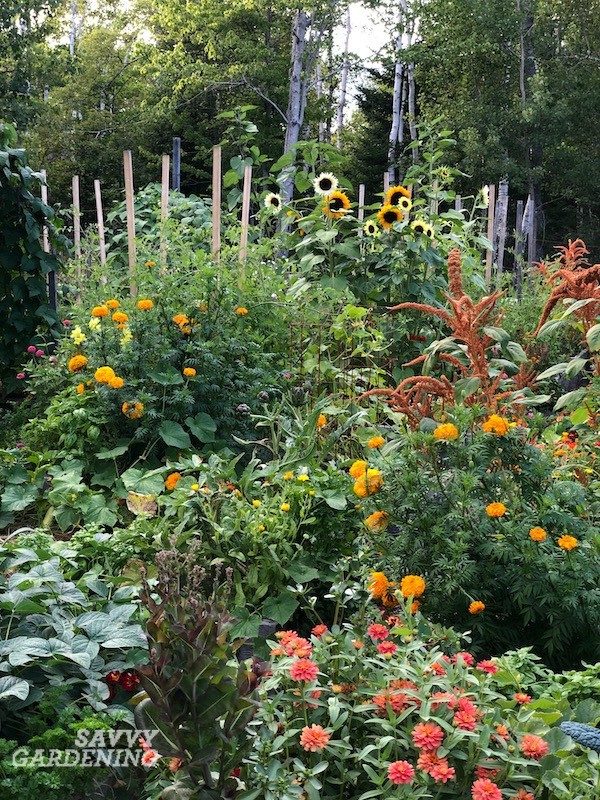
The calendulas are flowers that not only add color to the garden, but also repel pests such as nematodes and aphids. Planting calendulas near tomatoes can help protect them from these harmful insects.
Benefits:
- They repel pests.
- They attract beneficial insects.

- The Best Value - Organo Republic Calendula (scientific name Calendula officinalis) Seeds Pack includes 1 oz or approximately...
- Innovative Seeds Package - Organo Republic flower seeds come in a waterproof resealable seed bag protects calendula seeds from...
- High Germination Rate - Grow beautiful calendula flowers effortlessly, whether in indoor trays or your backyard garden. Our...
6. Spinach
Spinach are another excellent option to grow next to tomatoes. Its large leaves provide shadow to the ground, which helps keep it fresh and wet. In addition, spinach does not compete for nutrients with tomatoes.
Benefits:
- They keep the soil fresh.
- They do not compete for nutrients.

- Bloomsdale Seeds for Planting - One packet of 500 spinach seeds grows thick, dark-green leaves with the deeply crinkled savoy...
- 500-Seed Yield Range - At a 20-70% productive-plant range and 0.1 lb average per plant, 500 seeds could yield about 10-35 LBS in...
- Plan a Cool-Season Crop - Direct sow 1/2 inch deep for spring or fall growing. Aim for a 65-75 F seed zone, keep evenly moist, and...
7. PEREJIL
The parsley is a herb that attracts beneficial insects, such as ladybugs, who feed on pests such as aphids. Planting parsley near tomatoes can help control these pests naturally.
Benefits:
- Attract beneficial insects.
- Improves the biodiversity of the garden.
How to design a garden with companions plants
Now that you know the best companions for tomatoes, it is important to plan how you will organize your garden. Here are some tips to design an efficient and productive garden:
- Crop rotation: Avoid planting tomatoes in the same place year after year to prevent the accumulation of disease in the soil.
- Adequate spacing: Be sure to leave enough space between plants to avoid competition for nutrients and sunlight.
- Use of high beds: High beds facilitate soil and drainage control, which benefits tomatoes and their companions.
- Strategic Association: Combine plants with different needs and benefits to maximize garden performance.
Additional tips for cultivating healthy tomatoes
In addition to choosing the right companions, here are some additional tips to ensure an abundant tomato harvest:
- Adequate irrigation: Tomatoes need constant and deep irrigation. Avoid wetting the leaves to prevent fungal diseases.
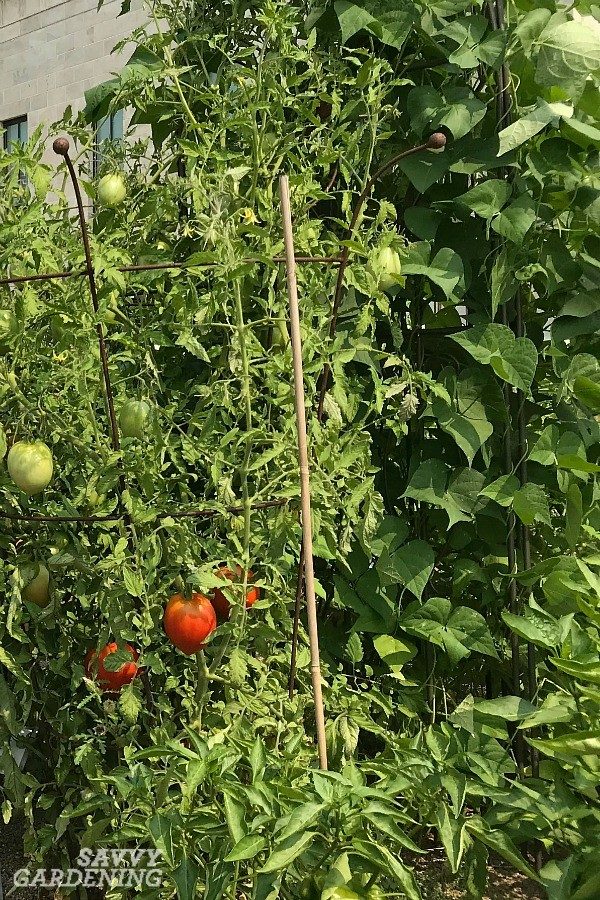
- Support and entutered: Provides supports, such as cages or stakes, to keep upstream plants and prevent the fruits from touching the ground.
- Balanced fertilization: Use a fertilizer rich in phosphorus and potassium to promote the growth of healthy fruits.
- Pest control: Regularly inspect plants in search of pests and apply organic control methods, such as neem oil or insecticide soap.

- HEAVY-DUTY METAL CONSTRUCTION – Made from strong plastic-coated steel, these tomato cages provide reliable support for tall...
- ADJUSTABLE HEIGHT FROM 16 TO 252 INCHES – Flexible stack-able design allows you to customize the height as plants grow. Ideal...
- CUSTOM DIY SHAPE DESIGN – Modular structure lets you create different shapes and configurations to fit garden beds, raised beds...
Benefits of the Association of Crops in the Garden
The crop association not only benefits tomatoes, but also improves the general health of the garden. Here are some of the most important benefits:
- Biodiversity: The diversity of plants attracts a variety of beneficial insects and improves ecosystem resilience.
- Natural pest control: Some plants repel pests, while others attract their natural predators.
- Soil improvement: Plants with different root systems help air the soil and fix nutrients.
- Efficient space: Combining plants of different sizes and growth habits allows you to take better advantage of the available space.
History and curiosities of tomato cultivation
The tomato, originally from South America, has been cultivated for centuries by indigenous civilizations. It was introduced in Europe in the 16th century, where initially an ornamental plant was considered before being recognized as a valuable food. Today, tomato is one of the most popular crops worldwide, appreciated for its cooking versatility and nutritional value.
Nutritional benefits of tomatoes
Tomatoes are not only delicious, but also nutritious. They are an excellent source of vitamins A and C, antioxidants such as lycopene, and minerals such as potassium. These nutrients contribute to cardiovascular health, vision and skin.
How to store and conserve tomatoes
To enjoy your tomatoes for a longer time, follow these storage tips:
- Ambient temperature: Save mature tomatoes at room temperature to maintain their flavor and texture.
- Avoid the refrigerator: The cold can negatively affect the taste and texture of the tomatoes.
- Freezing: If you have an abundant harvest, you can freeze the entire tomatoes or mashed to use them in soups and sauces.
Recipes with fresh garden tomatoes
Once you have won your tomatoes, here are some ideas to enjoy them:
- Capapa salad: Combine fresh tomatoes, mozzarella and basil with a splash of olive oil.
- Homemade tomato sauce: Prepare a fresh sauce with tomatoes, garlic, onion and herbs.
- Stuffed tomatoes: Fill in tomatoes with a mixture of rice, meat or quinoa.
- Gazpacho: Prepare this refreshing cold soup with tomatoes, cucumber, pepper and garlic.
The environmental impact of sustainable gardening
Cultivating your own tomatoes and other vegetables is not only beneficial to your health, but also for the environment. Sustainable gardening reduces carbon footprint by decreasing the need for food transport and packaging. In addition, the use of organic techniques and the crop association promote biodiversity and soil health.
Final Ponsation
Cultivating tomatoes next to adequate companions is an intelligent strategy to maximize your harvest and maintain a healthy garden. When choosing species such as lettuce, basil, onions and calendulas, you not only protect pest and disease tomatoes, but also enrich the soil and optimize the use of space.
Remember that gardening is a continuous learning process. Experience with different plants combinations and see how your tomatoes respond. Over time, you will develop a balanced and productive garden that will provide you with an abundant and delicious harvest. Good luck and happy culture!