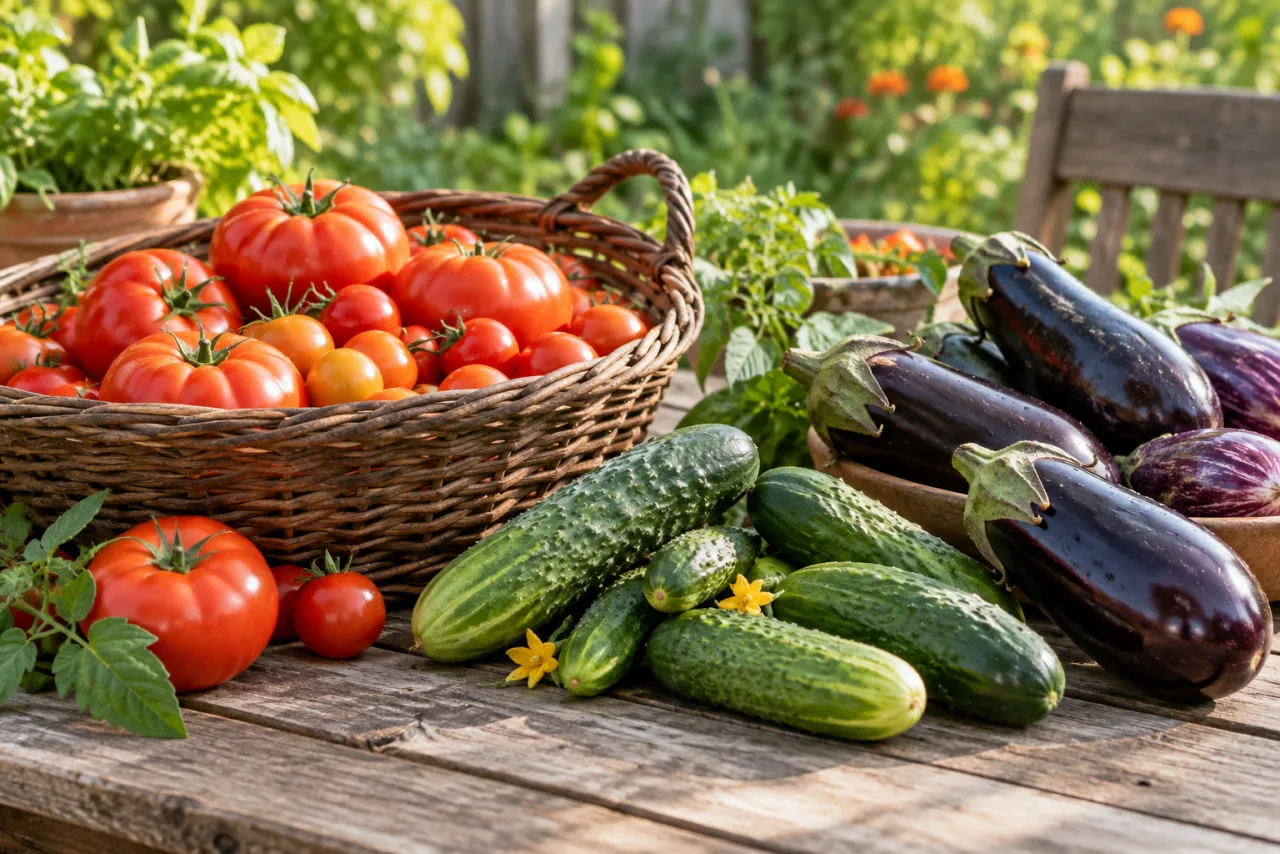

The Secret for Growing Tomatoes, Peppers, and Eggplants: A Magic Mix of Milk, Baking Soda, and Water
Growing your own fruits and vegetables at home is a smart and healthy decision. Not only does it allow you to control the quality of the foods you consume, but it can also be a rewarding and economical activity.
However, to obtain a bountiful and high-quality harvest, it is essential to provide your plants with the right nutrients. In this article, we will reveal the secret ingredient that should never be missing when growing tomatoes, peppers, and cucumbers.
Discover how a simple mixture of milk, baking soda, and water can transform the growth and productivity of your plants.
The Importance of Properly Feeding Your Plants
Growing tomatoes, peppers, and cucumbers at home can be a challenge, but with the right care, the results can be extraordinary. While watering and sunlight are essential, they are not enough on their own. Plants, just like humans, need a balanced diet of nutrients to grow strong, healthy, and productive.
The soil in which your plants grow is the basis of their development. If the soil lacks the necessary nutrients, the plants will not be able to reach their full potential. That’s why it’s crucial to enrich the soil with the minerals and vitamins that your tomatoes, peppers, and cucumbers need to thrive.
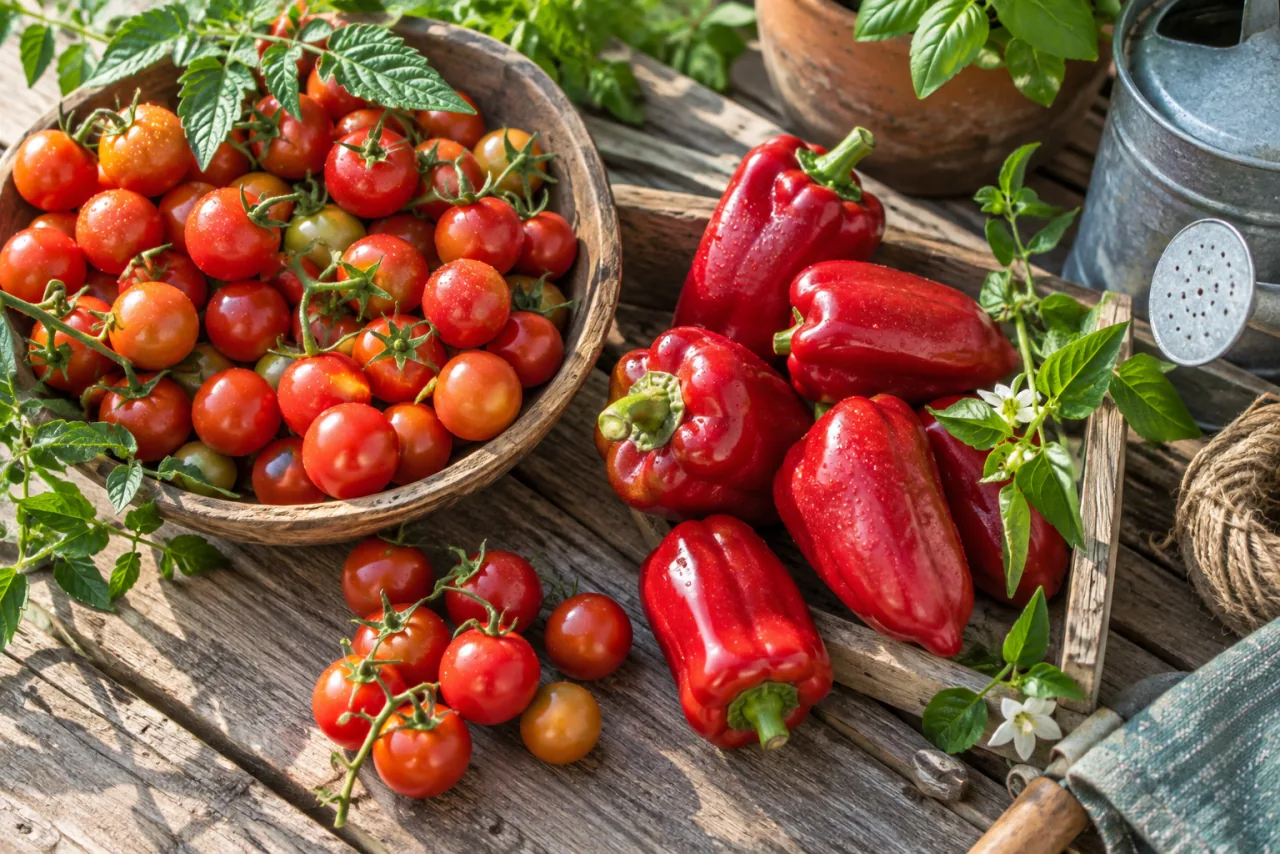
The Secret Ingredient: Milk, Baking Soda, and Water
The mixture of milk, baking soda, and water is a natural and effective fertilizer that can make a big difference in the growth of your plants. This combination not only provides essential nutrients but also helps prevent diseases and strengthens the root system of the plants.
Benefits of Milk
Milk is a rich source of nutrients such as proteins, calcium, magnesium, and potassium. These elements are essential for plant growth and development.
For example, calcium helps strengthen plant cell walls, making them more resistant to diseases and pests. Additionally, milk contains enzymes and compounds that can act as natural fungicides, protecting plants from fungi and other pathogens.
Benefits of Baking Soda
Sodium bicarbonate is known for its antifungal and antibacterial properties. When applied to plants, it helps prevent diseases like mildew and rot. Additionally, sodium bicarbonate can balance soil pH, creating a more favorable environment for plant growth.
Benefits of Water
Water is the vehicle that allows the nutrients from the milk and sodium bicarbonate to reach the plants’ roots. Additionally, maintaining an appropriate level of soil moisture is essential for healthy plant growth.
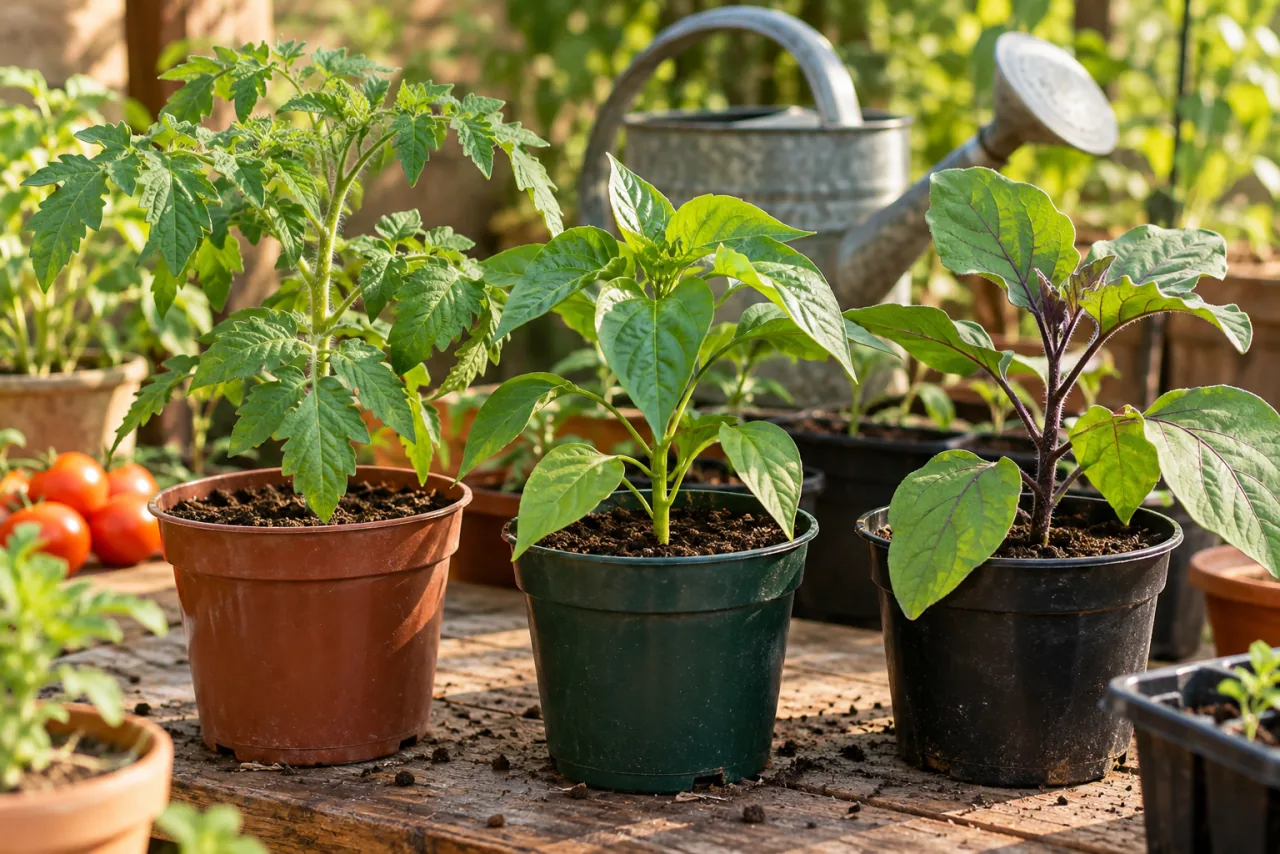
How to Prepare and Apply the Mix
Preparing this mixture is simple and does not require expensive or hard-to-find ingredients. Here we explain how to do it:
Ingredients:
- 1 liter of water.
- 250 ml of milk (can be whole or skimmed).
- 1 teaspoon of baking soda.
Instructions:
- Mix: Combine the milk and baking soda in a container.
- Water: Add the water and stir well until all the ingredients are completely dissolved.
- Container: Pour the mixture into a spray bottle or a watering can.
Application:
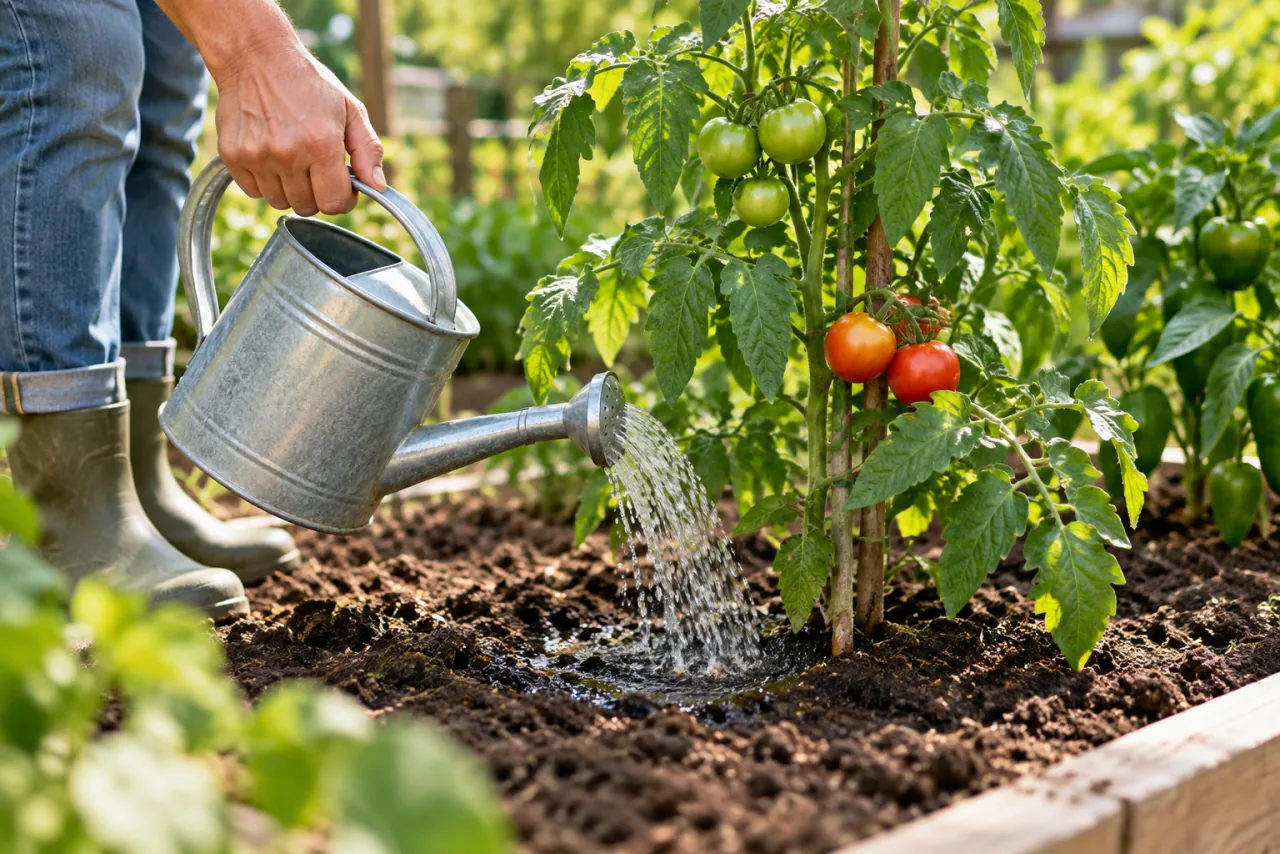
- Dosage: Apply approximately 5 milliliters of the mixture per plant, directly at the base of the stem.
- Frequency: Repeat this process every two or three weeks during the growing season.
- Spraying: You can also spray the mixture on the leaves to prevent diseases and strengthen the plant.
Expected Results
By using this mixture of milk, baking soda, and water, you will notice a series of benefits for your plants:
- Faster and Vigorous Growth: The nutrients from milk and sodium bicarbonate stimulate root and leaf development, resulting in larger and healthier plants.
- Disease Resistance: The antifungal and antibacterial properties of the mixture help protect plants from common diseases.
- Better Fruit Quality: Well-nourished plants produce larger, tastier, and more abundant fruits.
- Healthier Soil: Baking soda helps balance the soil’s pH, creating a more favorable environment for plant growth.
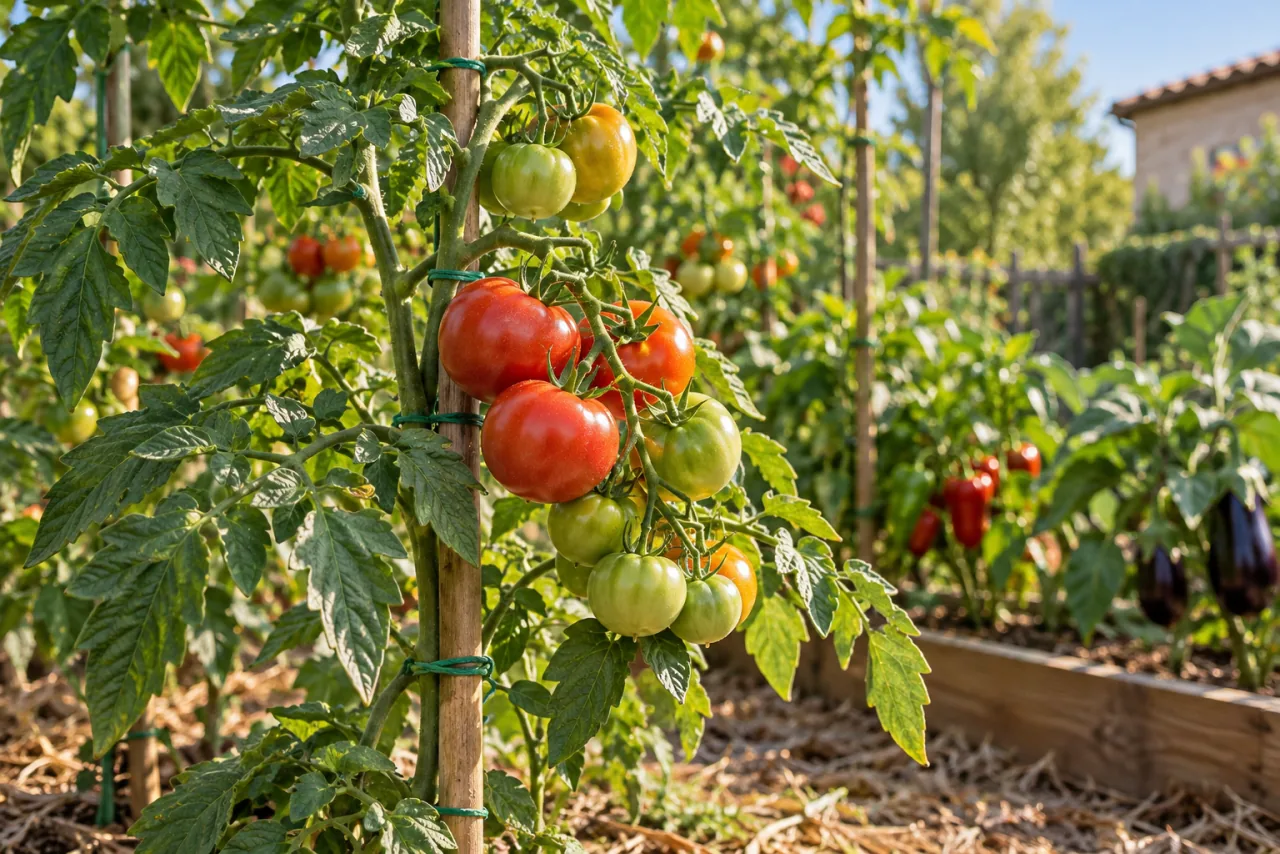
Additional Tips for Growing Tomatoes, Peppers, and Eggplants
In addition to using the milk, baking soda, and water mixture, here are some additional tips to ensure a successful harvest:
1. Soil Selection
- Drainage: Make sure the soil is well-drained and rich in organic matter.
- Enrichment: You can add compost or worm castings to improve soil quality.
Copy this:
Potting Mix
Buy from Amazon2. Appropriate Watering
- Frequency: Water the plants regularly, but avoid excess water, as it can cause root rot.
- Humidity: Make sure the soil is moist but not flooded.
Copy this:
Plant Watering Kit
Buy from Amazon3. Solar Light
- Exposure: Tomato, pepper, and cucumber plants need at least 6 hours of direct sunlight per day.
- Location: Place them in a location where they receive sufficient light.
Copy this:
Solar Garden Lights
Buy from Amazon4. Pruning and Support
- Pruning: Remove dry or diseased branches to promote healthy growth.
- Support: Provides supports like stakes or cages so that plants grow straight and do not break under the weight of the fruits.
Copy this:
Pruning Shears
Buy from Amazon5. Crop Rotation
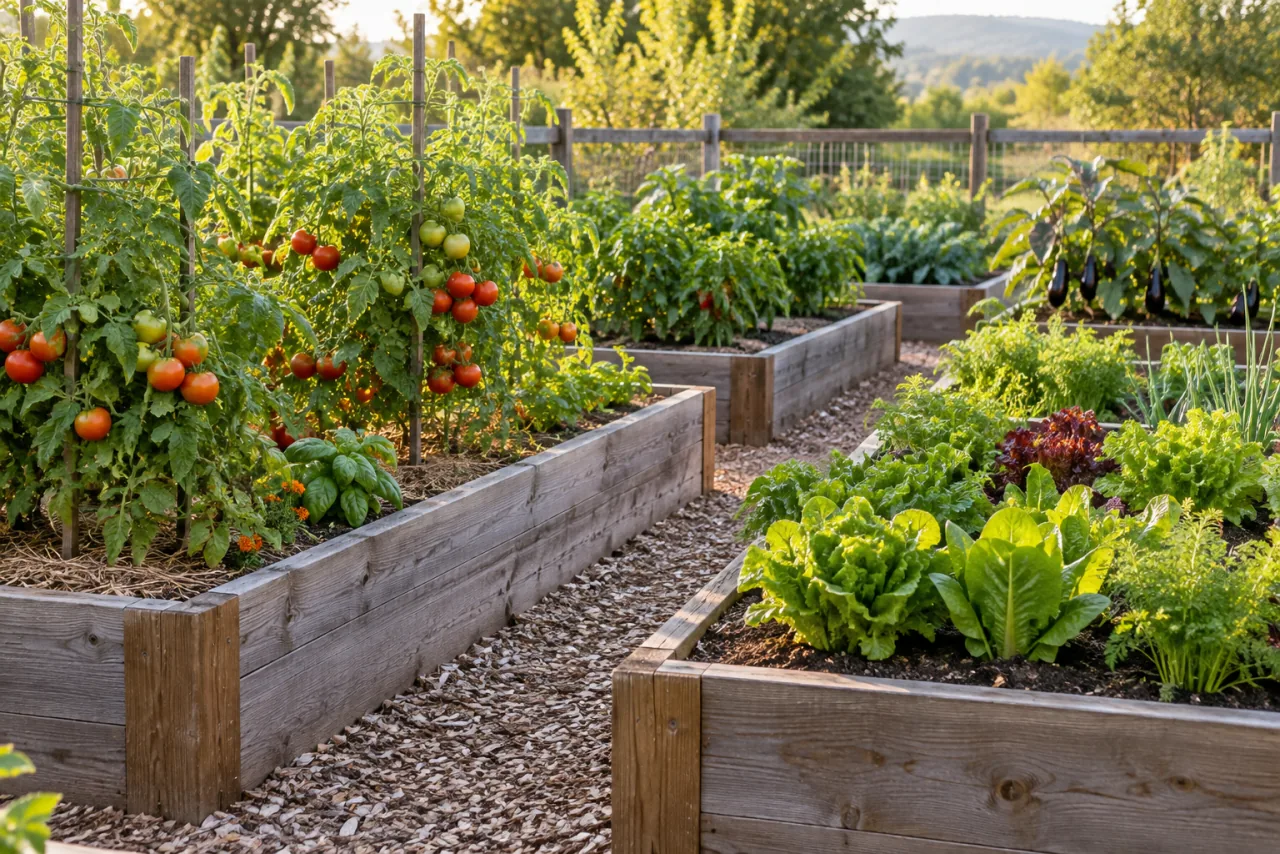
- Practice: If you cultivate in a garden, practice crop rotation to avoid soil exhaustion and reduce the risk of diseases.
Copy this:
Crop Rotation Garden Supplies
Buy from AmazonBenefits of Growing Your Own Fruits and Vegetables
Growing your own fruits and vegetables not only provides you with fresh and healthy foods, but also has other benefits:
- Quality Control: You will know exactly how your foods have been grown, without pesticides or harmful chemicals.
- Money Savings: Although the initial investment may require some time and effort, in the long term, growing your own food will save you money.
- Sustainability: Reduces food waste and minimizes your environmental impact by not depending on imported or packaged products.
- Education and Fun: Growing your own food is an educational and fun activity, especially if you have children at home. It teaches them about the plant life cycle and the importance of sustainable agriculture.
Final Thoughts
Growing tomatoes, peppers, and cucumbers at home can be a rewarding and beneficial experience, as long as you provide them with the proper care and nutrients.
The mixture of milk, baking soda, and water is a natural and effective fertilizer that can transform the growth and productivity of your plants. With this secret ingredient and the additional tips we have provided, you will be on your way to enjoying a bountiful and high-quality harvest. Get your hands dirty and enjoy the fruits of your labor!
Growing your own fruits and vegetables will not only provide you with a constant source of healthy food, but it will also connect you with nature and allow you to enjoy a relaxing and productive hobby. Moreover, by doing so, you will be contributing to a more sustainable and eco-friendly lifestyle. Don’t wait any longer and start growing your own tomatoes, peppers, and cucumbers today!